



 Čeština
  English (UK)
  Русский
  العربية
  日本語
日本語  한국어
한국어  Magyar
  Türkçe
  Español
  Svenska
  Português
  Ελληνικά
  Suomi
Suomi  Nederlands
  Română
  Italiano
  Français
  Polski
  Українська
  Deutsch
  简体中文
简体中文  Slovenčina

Plan your first afternoon as a compact form of a warm welcome: stroll the harbour street in Hora, sip coffee outdoors, and settle in to watch the sunset behind Portara. This plan is tested by locals and adapts to their pace, easing you into the island’s rhythm without rush.
Begin with a stroll along the old town streets, then drift toward the public gardens where citrus and bougainvillea scent the air. Their shade makes a perfect pause between coastal views and museum corners, and it sets you up for a deeper connection with Naxos’s authentic vibe.
Getting around is simple: rent a small scooter or bicycle near the port, or take a seasonal bus that links Hora with popular beaches such as Agios Prokopios and Plaka. The roads are wide and the outdoors feel welcoming, while operations keep passengers moving smoothly between ports and airports.
If you have visited santorini before, you’ll notice Naxos offers more room to breathe, with family-run tavernas that invite conversations at street-side tables. Their meals, the chrome glint of morning boats, and a calmer tempo invite you to linger over fresh seafood or local cheeses after a day of exploring.
Health and safety are clear: follow issued advisories from eody for beach and water quality, including notices about water that may be infected. If you have medical needs such as seizures, carry a medical card and contact details. Citizens and visitors alike support each other, and local services offer quick assistance when needed. Forget rushed itineraries–stick with outdoor spaces, the gardens, and a sunset finale to experience the island’s warmth.
Best Time to Visit Naxos: Weather, Festivals, and Crowd Levels
Weather and Crowds
For the best balance of warmth, calm seas, and relaxed crowds, visit in late May or early June. Highs 23–26°C and the sea around 20–22°C set ideal conditions for a multi-spot trip along a simple route from Hora to quieter coves. Enter your day with two to four carefully chosen spots–such as Hora, Agios Prokopios, Plaka, and a hilltop view–and move between them with short transfers. The day size stays comfortable when you space visits and allow time for meals in local tavernas. Read this quick guide for practical, case-by-case tips, and use the internet to check wind forecasts and water temps. This welcome coastline offers breathtaking scenery and colourful coves, with shade to hide from the heat and a voiceover-friendly backdrop that helps screen-readers navigate. Eliminating long lines becomes easy with advance bookings, and waking up early for a departure from Hora lets you enjoy more spots before the heat rises. Above all, keep a flexible plan to adapt to weather or crowd shifts, a key to a smooth trip.
Shoulder months–late May to early June or late August to October–bring calmer beaches and fewer people, making it easier to photograph fish near rocky coves and to enjoy a relaxed pace between places. Between these windows you’ll experience comfortable temperatures, better spacing between visitors, and a more intimate feel at each spot, while still catching plenty of sun and sea. The internet stays a reliable source for up-to-date ferry schedules and weather, so you can adapt your plan without sacrificing value.
Festivals and Planning Tips
Festival season adds colour to the island from summer into early autumn. Local panigyria in many villages feature traditional music, dance, and colourful processions; expect occasional aria performances after sunset. The peak public celebration often centers on August 15 (Assumption Day), with larger crowds and a warm, communal vibe. To keep travel smooth, book ferries and accommodation well in advance and plan a route that minimizes backtracking; this is especially helpful when crowds swell. For accessibility, look for sites that support screen-readers and offer aria-ready navigation; many venues also provide clear voiceover guides for visitors. Use the internet to confirm departure times, festival calendars, and local combinations of days that match your pace, and keep the plan flexible to adapt to weather or a last-minute swap of spots. The keys to a successful trip are prioritizing a few spots, combinations that fit your pace, and departure times that align with mild mornings and calmer seas. Expect memorable evenings in local fish tavernas, a short boat trip between spots, and a welcoming aria atmosphere that makes your trip feel like a true welcome to Naxos.
Where to Stay: Quiet Villages vs Bustling Naxos Town
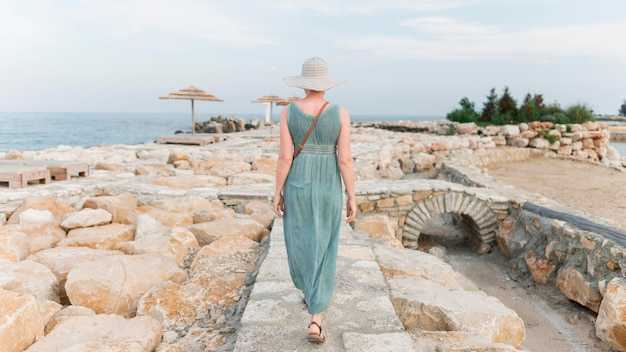
For a calm island experience, base yourself in Chalki or Apeiranthos and use Naxos Town as your main connection point for ferries and departures.
Quiet villages offer a lovely view, close immersion in island life, and built charm that minimizes long commutes. Use these notes while planning visiting days and your search for places to stay:
- Chalki – lovely harbour village on the island’s south side. Built with white stone, it offers a couple of inns and tavernas. Staying here eliminates long commutes to Hora (roughly 20–25 minutes by car) and puts you near neighbouring coves for a morning swim. Convenience grows when you utilize a rental car or scooter. Check accurate listings with the local organization, read texts from hosts, and search for options with flexible cancellation. For canadians and other travellers, Chalki provides a peaceful close-to-coast base with reliable departure options announced by operators.
- Apeiranthos – the Marble Village, perched in the hills with cool air and cobbled streets. About 40–60 minutes from Hora by car, built with traditional stone and home to small museums and cafés. It’s ideal for visiting hillside trails and neighbouring villages, with a slower pace and fewer crowds. If you want a mix of culture and nature, this is a lovely base; ensure you have transport for occasional grocery runs, and utilize local buses or a rental car for convenience. Look for listings that include clear host information and texts that accurately describe amenities to avoid surprises.
- Filoti – inland and quiet, with a central square and authentic Cycladic charm. It suits longer stays for hikers and visitors who prefer a steady rhythm while staying within a reasonable drive to the coast.
Naxos Town (Hora) as a base: easy ferries, energy, coast access
- Hora/Naxos Town – the main ferry hub and a dense mix of restaurants, shops, and harbor views. Staying here ensures sure access to departures and quick day trips to the coast (Prokopios, Agios Georgios) or neighbouring islands. The coast view from many accommodations is a highlight, and public transport will connect you to inland routes. Use the local organization for accurate maps and schedules, and check texts from hosts for real-time details. Ferry departures are announced weekly, so plan ahead with your searches and book early in peak season. For travellers from canada, Hora offers straightforward connections to international flights while keeping you close to the port for departure day.
Practical advice
- Search for options that include flexible cancellation and read texts from hosts to verify amenities and what’s near the accommodation.
- Eliminating long commutes is simplest when you choose Chalki or Apeiranthos as a base and use Naxos Town for ferries and departures.
- Utilize the local tourism organization for accurate schedules and maps; this reduces surprises and helps with planning day trips.
- Departure times of ferries are announced regularly; always confirm the latest timetable before heading to the port.
- In peak periods, book early, especially if you’re traveling with family or a larger group; this also supports securing better coast views and convenient locations.
- If you’re visiting with health in mind, spread visits across quieter mornings to minimize crowded spaces and reduce the risk of infection while still enjoying the island’s beauty.
Top Beaches and How to Reach Them by Public Transit
From Chora, take the KTEL bus to Agios Prokopios Beach; youre guaranteed the best start for an accessible, outdoors day. If youre travelling from Athens, ferries land on Naxos and the well-connected public transit network allows you to focus on the thing you love–time by the sea while enjoying convenient measures for travelers and ticket holders alike.
| Pláž | Umístění | Transit Access | Travel Time (from Chora) | Nejlepší čas pro návštěvu | Notable Features | Poznámky |
|---|---|---|---|---|---|---|
| Agios Prokopios Beach | Located on the north coast, 5 km east of Chora | KTEL from Chora; stop at Agios Prokopios Beach; frequent stops in peak season | 15–25 min | May–Sept; calm water, bright sun | Long golden sand, shallow entry; well-equipped tavernas and sunbeds | Times are accurate enough for planning; check KTEL app for measures and precise schedules. Stop location is well marked; holders should keep a ticket for inspection. |
| Agia Anna Beach | Adjacent to Agios Prokopios, about 6 km east of Chora | Same KTEL route; stop at Agia Anna | 20 min | June–Sept; family-friendly | Calm, shallow water; sheltered from strong winds; convenient amenities | Public transit convenience is high; accurate times vary by season; stop is close to village facilities. |
| Plaka Beach | Near Plaka village, north coast; located about 9–10 km east of Chora | Bus to Plaka stop; 25–40 min drive depending on connections | 25–40 min | July–Aug; long sandy stretch | Vast dune area; wind-sheltered coves; relaxed atmosphere | Walk from stop to far end takes time; service levels can be seasonal–plan ahead. |
| mikri Vigla Beach | South coast, near the mikri Vigla area | Bus to Mikri Vigla stop; short walk to beach | 60–90 min | June–Sept; windsurfing hub | Long sandy beach; strong winds for sailing; family-friendly sections | Drive option exists if you want greater flexibility; check last return times; timing varies by season. |
| Orkos Beach | South coast, adjacent to Mikri Vigla | Walk from Mikri Vigla stop (5–10 min) | 60–90 min | May–Sept; calmer mornings | Gentle shoreline; shallow water; beach bars | Connection times vary; good for a relaxed outdoors day; bring water and sun protection. |
| Kastraki Beach | North coast, between Agios Prokopios and Plaka; near Kastraki village | Bus to Kastraki stop; 25–40 min | 25–40 min | May–Sept; nice sunset views | Quieter option with foothill views; natural backdrop | Right balance of convenience and seclusion; popular with locals; check service on Sundays. |
| agiassos Beach | South coast near the village of agiassos | Bus to agiassos area; 70–100 min depending on connections | 70–100 min | June–Sept; serene coves | Hidden coves; calm water; scenic outdoors surroundings | Service can be limited outside peak season; plan ahead; ideal for hikers exploring nearby trails. |
Local Cuisine: Dishes to Try and Market Finds
Grab a plate of graviera cheese grilled with thyme honey at a seaside taverna–it’s highly satisfying and instantly captures Naxos’s flavor profile.
In the chora and along the harbor, menus shift with the seasons, but these picks stay excellent. If you arrive by ferries, plan a market visit before you explore the restaurant row; public spaces glow with aromas and views of the sea.
- Matsata – a Naxos pasta dish with meat, slow-simmered with tomatoes and herbs; order it as a hearty main for a shared lunch.
- Graviera cheese – creamy, slightly nutty; slice it fresh for a table appetizer or melt it on bread for a simple, satisfying bite.
- Fresh seafood – octopus, sea bass, or sardines grilled with lemon and oregano; seek straightforward preparations that highlight the catch.
- Kitron liqueur – citrusy and bright; sip a small glass after meals for a refreshing finish.
- Naxos potatoes – waxy and fluffy, ideal boiled or roasted; look for them at farmers’ stalls in the market.
- Olive oil and thyme honey – bring home a bottle of island olive oil and a jar of thyme honey for everyday use or gifts.
- Pastries from the bakery – pistachio cookies and almond pastries near the port make a great snack for the ferry ride.
Market Finds and practical tips
- Shop early, before crowds form, to find fresh graviera, firm potatoes, and vibrant produce at central stalls.
- Read labels on olive oil and kitron bottles; note lot numbers if you plan to compare flavors later.
- Chat with vendors to learn which farms supply the cheese and potatoes; most sellers share a quick story behind the product.
- Check the website of the town cooperative for hours and issued specials; the market’s operations change daily and signs help you navigate.
- Carry a reusable bag; the market streets near the port can get busy, and you’ll want to move quickly and safely.
- A quick screen at stalls often shows the day’s best prices, helping you pick value without sacrificing quality.
Tip: plan a walk through the chora after a morning at the market, then rent a motor scooter for a hillside tavern with public views of the sea. Each stop offers something different, and you’re youre sure to find a thing that fits your taste. Fromto the island’s markets, you’ll discover fresh plate options you can safely carry home–and you’ll leave with a story to share about Naxos’s local cuisine and its people. The websites and issued signs are simple guides, and the market’s energy makes the whole experience enjoyable rather than rushed.
Getting Around Naxos: Car Rental, Bicycles, and Scooter Tips
Rent a compact scooter for most days to cover the island quickly and park with ease in narrow streets. Daily rates range from about 25–40 EUR in shoulder season and rise to 35–50 EUR in July and August; ensure a helmet, lock, and spare tube are provided, and inspect brakes and tires before you leave the shop.
For longer hops or a family group, a small automatic car offers comfort and stability. Expect 40–80 EUR per day, depending on season and insurance, with a refundable deposit around 150–250 EUR. Check whether fuel is prepaid, confirm mileage limits, and book early in peak months; many offices are in Naxos Town near the port and in nearby villages.
Bicycles and e-bikes complement other options. Standard bikes run about 20–30 EUR per day; e-bikes 40–60 EUR. Popular coast routes include Chora to Agios Prokopios and Plaka, with a scenic climb toward Apeiranthos. Take water, sunscreen, and a light layer; a basket or backpack helps with groceries from markets. If you stay in accommodation with a kitchen, you can fuel quick day rides and take breaks in gardens along the way.
Safety and rules: follow eody guidelines for health and safety; wear a helmet on scooters and bikes, use hand signals at intersections, and keep to the right on main roads. Lock vehicles when you enter shops, avoid night riding on dim streets, and watch for pedestrians along promenades near the port and in the chora. If traveling with others, share plans and keep to designated routes. Civil diplomats often favor predictable spots and clear signage, which makes nearby options easy to compare.
Where to rent and what to check: choose operators with clear licensing, clean machines, and transparent maintenance notes. Look for pickup points near your stay to minimize detours, and ask about delivery to nearby accommodations. For families or groups, ensure gear is accessible and that you have a backup plan for bad weather. Some stays offer a garden view and a kitchen-equipped unit, which helps after long hiking or beach days; windows should open easily to ventilate hot rooms.
Outdoor Adventures: Hiking, Windsurfing, and Safe Practice
Your best move is to hire a certified local guide for Mount Zas and start early, carrying 2–3 liters of water and sun protection in your daypack. The round trip spans roughly 6–8 km and delivers panoramic Aegean views from the summit. Trails weave through olive groves, pine shade, and limestone ledges; access points include Filoti and Apiranthos, both with clear markers and options for shorter returns. Pack a readable map from a local tourism website to stay on course, and leave room for a spare layer.
Windsurfing on Naxos centers at Mikri Vigla’s North Beach, which offers calm mornings for beginners and more challenging conditions as the day heats up. Rent gear, book lessons, and check schedules through nearby organizations; many shops publish updates on their website. Expect 18–28 knots in summer, with water temperatures around 21–23°C. Couples and groups can share lesson packages when available, and solo travelers can join standard group sessions to build confidence.
Safety notes: wear a buoyant vest when afloat, stay within designated zones, and keep valuables in a dry bag. If you have a medical condition that requires caution, inform the coach before entering the water. Always carry a basic aid kit and a charged phone, and check wind, wave, and weather forecasts before you go. If conditions shift, return to shore safely and seek guidance from on-site staff.
Beyond sport, explore nearby villages for meals at restaurants or casual bars; plan a day that blends activities and downtime by the sea. The island partners with international organizations and guides who can tailor your itinerary; visitors from japan and georgia often join these programs, and their teams will adapt to your pace. You can utilize a simple, readable plan and a monochrome map for quick orientation, while enjoying the island’s visual charm along the coast.
Common Travel Lows and Practical Fixes: Delays, Heat, and Overwhelming Schedules
Use a 1‑day buffer after arrival and pick a right hotel within easy reach of the port to minimize transfers; these well‑timed measures let you recover from travel, keep comfortable views of your výlet, and stay flexible if delays or heat hit.
Plan a slow start with a shorter first day near ayios Prokopios; this avoids a crowded sprint and gives a steady content for your místo on the island.
Delays and rebooking: practical steps
When a delay is issued, check accurate times in the software and on the carrier site. Find the next available option, or choose a close alternative, then call the hotels to adjust your místo or confirm late check‑in; keep a copy of the new itinerary and share it with friends and visitors so everyone stays aligned along. If you travel with a crew, coordinate via a single point of contact to minimize back‑and‑forth and save time. These measures reduce queues and make the výlet smoother.
During peak lines, maintain distancing where possible and ignore blinking gate displays if they contradict issued times; follow the established procedure for rebooking. Hide your frustration in a quiet side area and press on with the plan.
Heat and overwhelming schedules: practical fixes
In the hot hours, shift heavy planning to the morning or late afternoon and eating light meals during peak heat. Heat can be degrading to focus; use morning slots. Keep hydrated, carry a refillable bottle, and spend on a cooling towel or umbrella at the right beach where the view is best. This will highlight calm spots and keep the content simple, avoiding overloading your day. If crowds rise, propose a short rest at a quiet side area and plan a low‑effort activity with friends or visitors along the coast; this helps you stay in control of your výlet onto the island. These routines have been tested by visitors.
Komentáře