



 Čeština
  English (UK)
  Русский
  العربية
  日本語
日本語  한국어
한국어  Magyar
  Türkçe
  Español
  Svenska
  Português
  Ελληνικά
  Suomi
Suomi  Nederlands
  Română
  Italiano
  Français
  Polski
  Українська
  Deutsch
  简体中文
简体中文  Slovenčina

Take the JR Haruka Limited Express from Kansai International Airport to Kyoto Station; it is the fastest gateway to the city, typically around 75 minutes. If you prefer a fixed timetable with hotel drops, the Limousine Bus is reliable and easy to book in advance, but expect 85–95 minutes in traffic. This choice sets a practical pace for your first day and gives you quick access to public transport without luggage hassles at the station.
From Kyoto Station, plan to move efficiently with the Karasuma Subway and JR lines. The Karasuma line runs north–south through central areas in under 15 minutes, while JR services offer direct links to Higashiyama and the Imperial Palace complex. Use designated transfer points at the station to switch lines smoothly, then step right onto the public network to reach temples and shrines in minutes rather than hours.
Public transport options and passes simplify daily travel. Tap an IC card such as ICOCA on trains and buses, and consider a one-day pass if you plan back‑to‑back temple visits in central Kyoto. transfers between lines occur at major hubs, and you’ll find real‑time updates at each station. This approach keeps you in control of your schedule and minimizes backtracking.
Storage and accessibility ease your move with luggage. Kyoto Station and other major hubs offer coin lockers and luggage storage spaces, with sizes ranging from small to large and prices posted at the lockers. Expect limited capacity during peak seasons, so arrive early if you’re arriving in the morning. Most stations provide elevators and step‑free routes to platforms, making transfers between trains, subways, and buses this easier for travellers with heavy bags.
Visit shrine districts and imperial sites without fuss. For the Imperial Palace complex, walkable paths connect to nearby gardens and gates; for Fushimi Inari Shrine, take the JR Nara Line to Inari Station or hop a local bus from Kyoto Station to the famous torii gates. For Kiyomizu‑dera and Gion, plan short bus hops or a lively walk from Kawaramachi; use your IC card to ride only when you need to cover longer stretches, then pause to enjoy pedestrian streets in oblasti where design and history mingle at every turn.
Tip: stay flexible with routes and sources. Check the official transport source (источник) for up‑to‑date timetables, service notices, and any temporary closures. With this information, you’ll optimize times and route choices, moving confidently between the imperial gates and shrine precincts while keeping your storage needs, passes, and elevators in sync.
Renting a car at Kansai Airport: where to go, required documents, and pickup tips
Go directly to the Kansai Airport Rental Car Center (RCC) after you clear arrivals; signs read “Car rental” and guide you to the front desks where your booking details are verified and the keys handed over. The RCC is designed for quick handoffs, with all operators’ counters concentrated in one area to streamline pickup.
Documents you need: bring a valid driver’s license and an International Driving Permit or a Japanese translation if required for your country, your passport, and a credit card in the driver’s name to secure the deposit. A booking page or a klook listing should spell out what’s included and any extra drivers; print or show it on your phone for fast verification. Podrobnosti na vary by company, so double-check the requirements before you depart.
Pickup tips: arrive with extra time during busy departures; inspect the car for scratches, test headlights and wipers, and confirm the fuel policy is full-to-full. The agent will explain insurance options and demonstrate the GPS and other tools that this car offers. If you want a premium touch, ask about a limuzína pickup option; cost can vary by package, so compare before adding extras.
Costs and planning: rates vary by car class, insurance, and season; typical daily rates for a compact start around a few thousand yen plus taxes, with additional charges for extra drivers or equipment. To compare cost and inclusions, use the booking page on your chosen platform or check klook listings; many travelers find this an excellent way to arrange airport pickup alongside flights and other departures. Depending on your lety and schedule, reserve well in advance to avoid crowded desks during peak times. Tento setup also works well if you plan to visit Kyoto’s central areas and beyond, including Kawaramachi-dori, where a car can complement shorter metro hops.
Extra note: if you also want to explore by bicycles in some Kyoto areas, check whether the rental includes a bike rack or is compatible with storing a bicycle; pairing driving with short rides lets you balance flexibility and pace. From Kansai Airport, the metro and other transport links connect you to central Osaka and Kyoto; plan your route with the platform signs and your page in mind, so you can reach Kawaramachi-dori smoothly and keep your travel plan japan-friendly and useful.
From Kansai Airport to Kyoto: best driving routes, tolls, and typical travel times
Take the Meishin Expressway directly from kansai-airport to Kyoto; it’s the fastest, most straightforward route with clear signposting and predictable fares.
Fast direct route and scenic detour
The fast option, Route A, keeps you on the Meishin Expressway after a brief airport approach, then exits toward central Kyoto. Typical travel time is 75–90 minutes in light traffic, rising to 90–120 minutes during peak hours or holiday periods. Tolls (fares) for a standard car usually fall around 3,000–4,000 JPY one-way; gates accept cash or ETC, and the signs are bilingual, so you can move smoothly without missing a gate. If you prefer a slightly more scenic drive, you can detour to a western exit and still reach sights near Arashiyama or central Kyoto, then continue by Hankyu or JR; this adds about 15–30 minutes but offers beautiful countryside views and a more relaxed pace.
On the road, expect a complex network of toll roads and interconnected ramps; plan your exits in advance with a quick glance at the signs, then rely on live traffic apps. The arrivals staff at kansai-airport are ready to help you choose the best route to your hotel or to key sights such as Fushimi Inari, Kiyomizu-dera, and Arashiyama. If you’re traveling with family or a group, taxis at the gate offer door-to-door service, though fares are higher than rail options.
Two practical options after you arrive: continue directly to Kyoto Station or use a western exit to connect with Hankyu, JR, or metro lines to specific sights. If you plan to visit Arashiyama on day one, the Hankyu line from central Osaka to Arashiyama provides a stunning gateway to the Sagano area; you can park near central stations and take a short ride to the bamboo grove. For a hassle-free start, consider the rapit train from kansai-airport to Namba and then hop a metro to central Kyoto; some travelers book this on Klook for convenience. Taxis remain available at arrivals, with adult fares to central Kyoto typically higher but offering direct, private transport when timing is tight.
Parking in Kyoto: parking lots, fees, hours, and how to avoid violations
Park in a designated lot near a station and buy a pass for the day to avoid violations. Kyoto offers municipal lots and trusted private facilities with clear signage; the front desk or ticket machine shows the number of spaces and the maximum daily rate so you can plan your time without surprises.
Choose your spot by transit access or by proximity to cultural sights. Parking near Kyoto Station provides quick access to trains for arrival or transfer, while the nijo and gion-shijo corridors give convenient access to the historic center. Outside those dense zones, rates drop and spaces are easier to find, though hours and gate rules can differ.
Fees and hours vary by zone: expect roughly 200–500 JPY per 30 minutes, with daily maximums often between 1,500 and 3,000 JPY depending on location. Many station-adjacent lots run 24 hours, but some smaller sites close gates overnight or restrict night parking. Always check the posted details at the entrance and on the machine before you park.
How to avoid violations: park only in licensed facilities, read parking signs, and feed the machine before your time runs out. Keep the receipt or ticket visible on the front dashboard and note the number of the space if you plan to move. If you are arriving with a transfer plan, choose a lot that puts your next stops within a short ride, without wasting time on back-and-forth driving.
Discounts and groups: some lots offer discounts for multi-day stays, group visits, or shopping partnerships; ask about a pass or a flat-rate option. For those riding with a driver or traveling with a group, compare nearby lots and look for hassle-free options that pair with local stores to save money.
Practical flow for arrivals: If you arrive from itami, ride the express rail to Kyoto Station and then walk or ride to a nearby lot. Use the gates and follow the front entrance path to park, unload, and access your carriage without delays. The number on your ticket helps you locate your car later and keeps the arrival experience smooth for everyone.
Public transit and alternative options: trains and buses as a backup to driving
Grab icoca on arrival and keep it handy for gates; top up at machines, or purchases can be made in advance; this keeps you moving through the streets for high-frequency departures and traveling around the beautiful city. Use direct routes on subways and trains to reach major sightseeing spots and to save time during your stay.
Smart routing for sightseeing
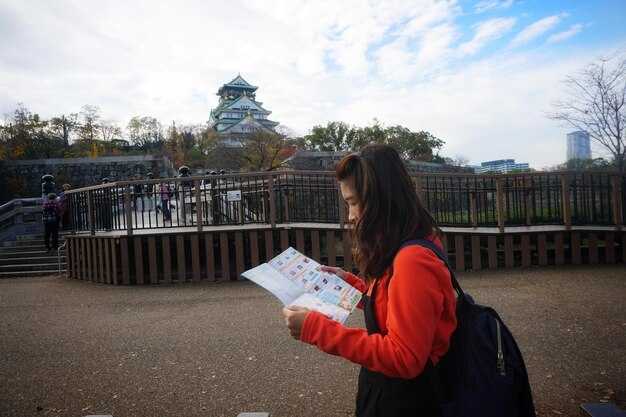
- Trains are your most reliable option for most corridors: Hankyu, Nankai, JR West lines, and subways connect Kyoto’s center to key districts with frequent departures every 5–10 minutes in daytime.
- Use icoca for fare and gate access; tickets can be purchased at machines with an English interface, and many travellers prefer day passes that you can also find via klook for sightseeing rounds.
- Choose direct routes whenever possible to minimize transfers; major hubs like Kyoto Station and Karasuma–Oike simplify connections to Nishiki Market, Higashiyama, and Arashiyama via a single transfer.
- Rapit and other express labels help shorten travel times by skipping smaller stations; look for these options on timetable boards when planning arrivals and departures.
- For airport access or Osaka day trips, Nankai and Hankyu offer strong options: Nankai to Namba and beyond, Hankyu toward Osaka Umeda, with routes that suit travellers aiming for convenient arrival into busy streets and entertainment districts.
- Ticket purchases at stations streamline the process; you can also check klook for bundled passes that cover trains and buses and save time around sightseeing days.
Backup options: buses, taxis, and practical tips
- Buses flesh out coverage where rail lines don’t reach; they run through most central routes, but traffic can extend travel times, so plan arrivals around calmer periods when possible.
- Storage lockers at major stations help when you have baggage during your arrival or while sightseeing away from your accommodation; drop off gear and return to pick it up before you depart.
- Taxis provide a flexible fallback for late arrivals or when you’re traveling with a group or heavy luggage; a short ride from Kyoto Station to central accommodation is convenient, though fares rise with distance and time of day.
- Direct transfers between subway lines and buses at core transfer points reduce walk times and keep your day efficient, especially if you’re sightseeing around popular temples and gardens.
- Arrival planning: check departures early in the day to maximize options; plan around peak hours to avoid crowds and enjoy easier navigation through the city’s gateways and gates to each attraction.
Car return and onward travel: drop-off procedures, refueling, and connecting to Kyoto sights
Drop off at the second-floor office desk; head to the front counter, hand over the keys, and you will receive a ticket for onward travel. The agent notes the vehicle’s condition, fuel range, and any bags left in the vehicle to ensure a smooth transition here.
Before you proceed, park in the designated return area, switch off the engine, and collect your bags from the cabin. The staff will inspect for new scratches or dents, count the mileage distance, and record the driving range used. They will issue a final receipt, and note any heavy items left in the vehicle.
Refueling: if the gauge shows less than a quarter tank, fill to the level requested by the office; otherwise, return with the current level. Save the pump receipt; it can affect your final fares. The refueling step typically takes 5–10 minutes, depending on pump availability and the vehicle type.
Public transit options after drop-off
The public network here operates frequently and connects straight to sagano-area sights and sakaisuji connections. Use the subway for the fastest links, or choose a shared ride if you have multiple bags; public coverage covers most distances south of central Kyoto. Fares depend on distance, but adult prices usually stay within a comfortable range for short hops. After drop-off, head toward Kyoto Station or the closest subway entrance to begin your sightseeing loop.
| Cílová destinace | Transit option | Typical time | Approx. fare (adult) |
|---|---|---|---|
| Sagano / Saga-Arashiyama | JR Sagano Line from Kyoto Station | 15–20 min | 240–320 yen |
| Fushimi Inari | JR Nara Line to Inari Station or Bus | 25–40 min | 140–320 yen |
| Kiyomizu-dera | Bus 100/206 or Subway to Kyoto Shiyakusho-mae then walk | 20–30 min | 230–270 yen |
Komentáře