



 Čeština
  English (UK)
  Русский
  العربية
  日本語
日本語  한국어
한국어  Magyar
  Türkçe
  Español
  Svenska
  Português
  Ελληνικά
  Suomi
Suomi  Nederlands
  Română
  Italiano
  Français
  Polski
  Українська
  Deutsch
  简体中文
简体中文  Slovenčina
  Best Sights and Landmarks in Kos – Top Attractions on the Greek Island">

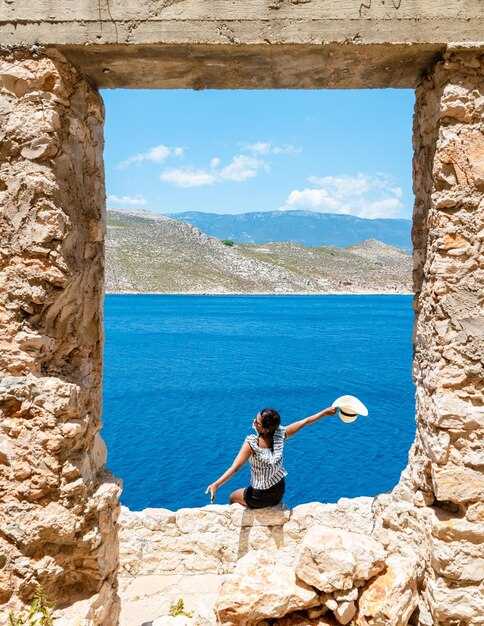
Start your Kos experience with Nerantzia Castle in Kos Town. Perched above the harbor, this fortification dominates the waterfront and offers dramatic views towards the sea. The nerantzia fortress blends Knights Hospitaller architecture with later additions, and its white walls glow as waves break on the rocks below. Plan a 60-minute circuit around the outer ramparts, then step inside the inner yard to see a replica of an Ottoman-era cannon and the engraved coats of arms that mark the different eras.
Then explore the archeological sites around the city, especially the Asklepieion. This archeological site sits on a hill above Kos Town, and its outdoor lanes wind through terraces with white marble fragments and olive groves. The ascent rewards with sweeping nature views over the island and a sense of ancient medicine history. Visit this spring to enjoy cooler weather and fewer crowds; bring water and good walking shoes.
The ones you can’t miss include the ancient Agora and the Tree of Hippocrates. In Kos Town, the agora area houses a well-preserved plan and a very old plane tree, a источник of local lore and tradition. The tree is the classic spot for photos and to feel the city’s pulse; nearby, you can see the Roman Odeon and the remains of the agora marketplace. Take a short stroll and imagine scholars from centuries past.
Move on towards stefanos, a quiet coastal village with a long beach and clear turquoise water. This area sits near the old town, and you can enjoy outdoor dining, shallow waves, and a calm atmosphere after castle tours. A short drive brings you to the palaio hills, where palaio ruins crown the skyline and offer a terrace overlooking the Aegean.
Practical route and timing. Plan your day to move from the harbour towards the northern coast and then to stefanos, so you can enjoy outdoor time and save energy for evening views. This spring has pleasant weather, and the combination of white walls, waves, and nature makes every stop feel concrete and vivid. The ones you’ll remember most include nerantzia, the Asklepion archeological site, the Tree of Hippocrates, and the palaio hillside ruins.
Where to Find Kos’s Ottoman Mosques: Practical Map and Routes
Begin at Hassan Pasha Mosque in the center of Kos Town. Some travelers use this anchor to orient a compact loop that blends coast scenery with village life, following a clear itinerary.
Itinerary and routes
-
Center start: Hassan Pasha Mosque in the center of Kos Town sits on a tall minaret above a small complex of buildings. Read the inscriptions to learn about centuries of Ottoman influence and set your bearings before you wander the coast.
-
Coast route: from the center, wander toward the coast and follow the channel toward the beach. The promenade hosts a string of shops and loungers, and the paradise vibe comes from sea air and blue water, a full slice of Greece along the coast.
-
asfendiou village: drive or bus to asfendiou to see a surviving Ottoman-era building. An altar-like niche and simple offerings survive in the walls; this stop adds a different texture to your route and helps you read the local layers of history.
-
Palaio: continue to palaio, the historic complex around the old town. Narrow lanes, sturdy stone walls and a handful of buildings mark the centuries of change; you’ll find interesting scenes for photographs and reflections on the Greek island’s past.
-
Return to center via villages: loop back along small roads through nearby villages, returning to the center for a final coffee or stroll along the beach. The route stays compact and workable for students, visitors, and anyone exploring Kos’s Ottoman legacy.
Top Ottoman Mosques in Kos Town: Quick Highlights and History
Visit the harbour-front Defterdar Mosque first to feel Kos Town’s Ottoman heartbeat. The entrance leads into a quiet courtyard, and its features include a slender minaret, simple arches, and a compact prayer hall from the late 18th century. Its history ties the town’s commercial port to daily prayers and social life, making it a practical starting point before you wander through the old lanes.
Next, explore the Kadi Mosque near the agora. Its silhouette shows how worship and commerce mingled in the market district: a small dome over a rectangular prayer hall, a minimal courtyard, and a discreet minaret. The space once hosted meetings and social gatherings that shaped the local rhythm alongside nearby restaurants and shops. Over the years, some spaces have been restored to preserve the original detailing.
Another notable site sits inside the fortification belt, where palaio walls and hints of romana engineering frame the surrounding streets. This mosque demonstrates reuse of older spaces, with stonework that reveals layers of history and a sense of continuity through time. The adjacent ruins remind visitors of the ancient agora, romana gymnasium, and the long urban story.
Visiting tips: plan to visit during daylight hours; check events calendars for guided tours; when entering, respect entrance rules and dress modestly. The heart of Kos Town beats through the social life around these sites, where locals gather for meetings and where the street life stays active with restaurants and cafes along the port. A christian community thrived here, yet the mosques remained a constant feature of daily life. These sites offer important clues about how Kos blended Ottoman, romana, and Christian cultures.
What to See Inside Kos’s Ottoman Mosques: Architecture Details
Enter through the carved entrance and read the inscription to orient yourself; then admire the central hall where the plane of the floor aligns with a monumental dome.
The private sequence of spaces offers a calm progression: a narrow portal leads to a right corridor with small prayer alcoves, while the main hall presents a broad, uninterrupted space adorned with plaster carving, tilework, and calligraphy.
The mihrab niche marks the axis and shows the exact orientation toward Mecca; beside it sits a carved minbar. The dating of these features often reflects the building’s periods, with later repairs adding subtle layers.
The ceiling rests on a robust system of arches; the central dome defines the spatial plan and the overall aesthetic. The plane of the ceiling is carried by visible pine beams and brick vaults, with timber work showing skilled joinery.
Decoration highlights votive inscriptions and geometric motifs that adorn arches, cornices, and panels; the interior zones are rich with plaster and ceramic tiles that catch the light from small windows.
The courtyard often houses a simple water fountain for ablutions, while the entrance area includes a modest vestibule and herbal scents drift from surrounding plants, enhancing the contemplative space.
In the antimahia zone, you can compare motifs from different periods and trace dating across the island’s mosques, noting how the best elements remain visible in the overall design.
| Funkce | What to look for |
|---|---|
| Entrance | carved wooden door, stone jambs, small vestibule |
| Mihrab and niche | axis alignment, niche depth, inscriptions |
| Central dome and plan | monumental height, arches, dome drum |
| Beams and materials | pine beams, brick vaults, plaster surfaces |
| Decoration | geometric tile, calligraphy, votive plaques |
| Court and water | courtyard fountain, ablution basin |
| Location context | located in central Kos, near antimahia zone and port views |
Visiting Hours, Access, and Entry Rules for Kos Mosques
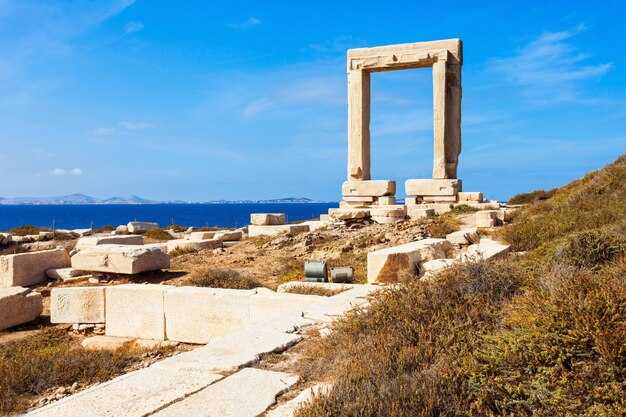
Plan your visiting to Kos mosques for the morning before prayer crowds form, or in the late afternoon after 16:00; this timing avoids busy times and heat. In towns across the island, many sites sit in the venetian zone by the harbour and offer a unique glimpse into greek culture, like a little paradise, and part of your island itinerary.
Entry is usually free; if a donation is requested, the signs may list prices. Check dates and opening hours on-site or with your accommodation, because spring events and religious observances influence the schedule. There, visiting mosques in combination with other sights–like the theatre in Kos Town or a nearby asclepius site–becomes the best way to enjoy the day.
Access and Opening Hours
Most mosques on Kos are in towns; openings vary by mosque and season. To maximize time, plan non-prayer visits and be prepared for last-minute changes during events or restoration work. In Kos Town, the venetian zone around the harbour is a common starting point, and access generally resumes in late afternoon after the midday break during Friday prayers.
Entry Rules and Etiquette
Entry rules focus on respect: remove shoes at the door, dress modestly with shoulders and knees covered, and women may need to cover their hair. Entry to interior prayer halls may be restricted during services; cameras are usually limited to exterior courtyards. Keep voices low, avoid eating or drinking inside, and follow posted signs in multiple languages–greek and english–and ask staff if you are unsure.
There are times when you can combine a mosque visit with a stroll to nearby asclepius ruins or a little greek villa along the mountains. This makes the day interesting and balanced, with a touch of history there. For best results, mark dates on your plan and consider meeting locals near agios squares in the old town, then continue into the zone by the old theatre and harbour, before heading into the countryside for more sights.
Dress Code and Etiquette: Visiting Kos’s Ottoman Mosques Respectfully
Always dress modestly: cover shoulders and knees, wear loose tops, and carry a lightweight scarf to cover hair when required. Remove shoes at the entrance and place them in the designated area. Inside, speak softly and avoid loud gestures. These mosques sit in the historic area of Kos Town, located near the harbor, reflecting the island’s history and the Hippocratic legacy that shaped this place. Sites like these enforce modest dress. The region has earthquakes, and older walls may bear repairs, so follow signs and stay on marked paths. If you’re visiting mastihari or other coastal towns, apply the same rules, since respect travels with the sites. When you plan a stroll through several points of interest, you are walking through a few kilometers of cultural heritage, with cues on signs marked agios or agia pointing toward sacred spaces. Outside, the waves can be heard, a reminder to keep the visit calm and respectful. After your visit, you can relax in nearby cafés offering herbal tea and reflect on what you’ve learned about the area, history, and local customs while you plan your next stop at museums or other sites.
What to wear
Choose knee-length skirts or lightweight trousers and tops that cover shoulders; women should keep hair covered with a scarf when required, men should avoid shorts; wear non-transparent fabrics and avoid logos. Bring a scarf or wrap in your bag so you can adapt quickly if a space asks for it. Shoes should be easy to remove, so opt for slip-ons or sandals that you can take off without fuss. This simple kit keeps you respectful, comfortable, and prepared for a polite entry to sites near the old town area or along the coast, while you stay mindful of the local area.
Etiquette inside the mosque
Enter quietly, keeping voices low; photography may be restricted inside, so check posted guidelines and ask permission before photographing worshippers. Do not touch carpets, calligraphy, or restricted textiles; stay in designated areas and avoid stepping into prayer spaces during prayers. Keep animals outside sacred spaces, and do not use bright screens or music devices that may disturb others. If you need information, staff at nearby museums or information centers can point you to the best location and offer guidance on respectful behavior, while you learn about the area’s history and the local way of life.
Nearby Sights and Combined Itinerary: Kos Mosques and Other Landmarks
Visit Hassan Pasha Mosque first, opposite Neratzia Castle, to anchor your stroll with a blend of Ottoman craft and harbor scenery. From there, follow the quay inland toward the Orthodox church and the nearby Archaeological Museum for a compact sense of Kos’ layered past. If you want deeper insights, dedicated guides at the museum offer concise tours that fit a tight schedule.
As you move, you’ll notice a mix of old fortifications, narrow lanes, and open plazas. The route along the shore provides a steady view of ships and waves, while stone details such as columns and carved arches reveal earlier eras. Along the way, several eateries present fresh seafood and local specialties, inviting you to pause for a bite and keep exploring the next stop.
Two-sight combined itinerary
Option A: Start with the mosque, then the fortress, stroll through the old town, and finish at the Archaeological Museum for a concise half-day loop.
Option B: Extend to hillside ruins of the ancient theatre and gymnasium, then return along the waterfront to enjoy more eateries and a final look at the waterway toward nearby islets.
Practical tips
Wear comfortable shoes, bring water, and check opening times for interior spaces. Start early to avoid heat and plan for a relaxed pace, allowing time for photos and a few breaks on the quay. For transport, a short local bus ride or a quick taxi links the harbor area with the inland ruins if you want to shorten the walk.
Komentáře