
Shanghai Pudong International Airport - A Complete Guide for Travelers
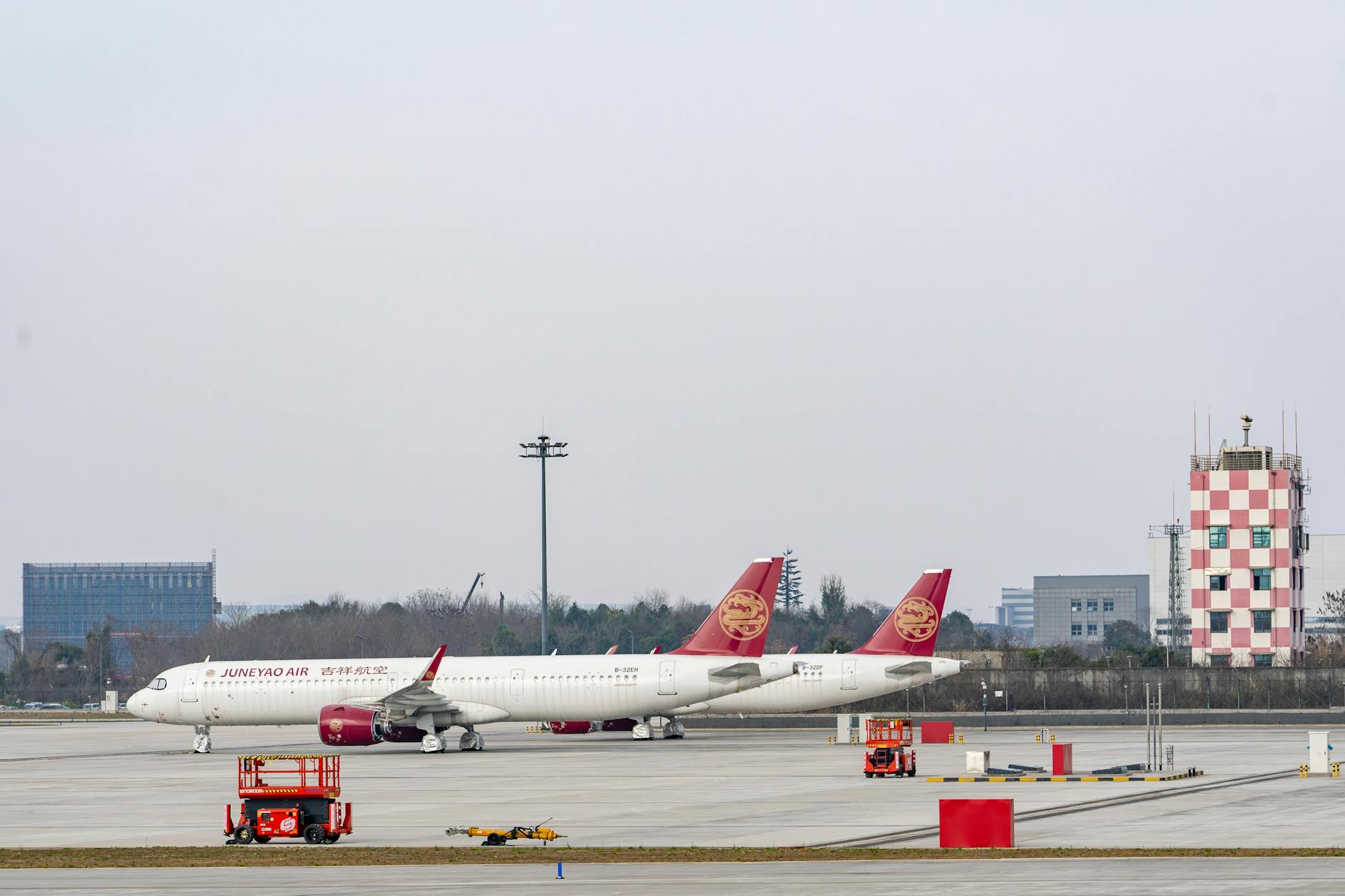

Arrive at PVG at least 3 hours before international departures to secure check-in and immigration clearance; this simple step reduces stress during peak hours and helps you handle cancellations when plans change.
PVG operates two main terminals, T1 and T2. Terminal 2 handles most international flights and a broad mix of domestic lines, while Terminal 1 serves a smaller set of carriers. Inter-terminal transfer is straightforward via shuttle buses and signposted walkways; allow 15–20 minutes between gates if you’re rechecking baggage or switching airlines.
Immigration lanes can be lengthy during holidays; for foreign passport holders, use automated e-gates where available to speed through. Airlines publish gate changes on their apps, so check hours and updates for their specific departure notes before heading to the gate.
Getting out of PVG offers several options: taxi to lujiazui in about 30–40 minutes under typical traffic, or ride the Maglev to Longyang Road in about 7 minutes and continue by metro or taxi. Although traffic can be heavy at peak times, the Maglev plus a short ride is a reliable alternative for fast city access. For public transit, Line 2 connects PVG with central Shanghai in roughly 40–60 minutes depending on your final stop.
In the lujiazui area you’ll find hotels, business centers, and skyline viewpoints across the river at the Bund. The specific dining and shopping options in both terminals satisfy most budgets. If you plan to connect to SHA (Shanghai Hongqiao) for domestic flights, allow extra time for bag recheck and security lines; many travelers use airline transfer desks to simplify this process.
Medical facilities operate inside both terminals, with clinics, first-aid rooms, and staff ready to assist; keep your travel insurance information handy and carry a copy of your itinerary to speed up any documentation requests. Airport lounges and Wi‑Fi are available, and you can work with airline staff for rebooking options if your flight is affected.
When cancellations occur, contact the airline directly to review specific policies and available options for rebooking; if a flight is delayed or canceled by the airline, you may be eligible for hotel accommodations or meal vouchers depending on the carrier’s policy, so check the guidance and keep all receipts.
For travelers continuing to hong kong, PVG offers convenient connections and clear transfer desks; use the official map and signage to reach the correct transfer points with minimal walking and avoid missed connections.
How Shenzhen Airlines cancellations affect specific routes and how to rebook or request refunds
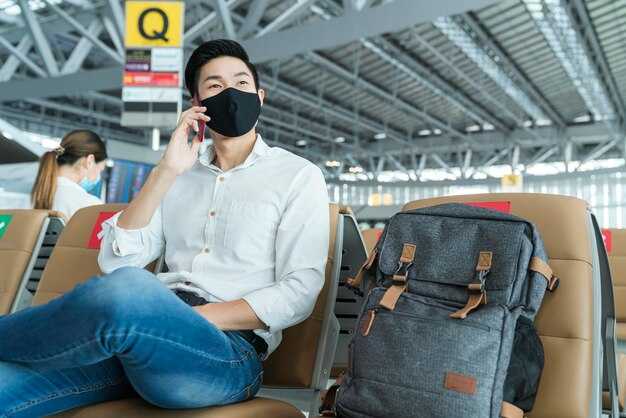
Act quickly: if Shenzhen Airlines cancels your flight, rebook directly in the app or on their website to secure the next available seat on the same route or a convenient connection; if you prefer cash refunds, request them right away and monitor updates in the notification center.
Cancellation effects vary by route. Domestic routes to Xi’an (Xian) and Zhengzhou are common pressure points during peak travel windows, while inland hops to island destinations on the Hainan Island corridor can see longer gaps between scheduled departures. Cancellations often appear on several daily services within the same family of itineraries, and international legs involving partners like AirAsia may follow separate rules. Check the latest updates on their site to understand which segment is affected and whether the issue is tied to a specific aircraft, crew, or maintenance factor.
When a route is disrupted, the airline usually offers rebooking on the next available flight, an alternative path through their hubs, or a full refund. If you’re traveling from a large airport with multiple exit options, staff can direct you to the quickest path to a different city or to an arrivalservice desk for on‑the‑spot assistance. If you’re downtown or near Longyang and need a fast rebooking, vision a plan that uses a single transfer or a direct connection to minimize kilometers and time spent in transit.
источник: airline updates often highlight the specific routes impacted and the time window for rebooking or refunds; always verify the exact flight number and scheduled departure time before making a choice.
To rebook efficiently, use the following steps: open the Shenzhen Airlines app, tap the affected itinerary, and select a new flight on the same route or through a nearby hub; if a same-day option isn’t available, choose the earliest feasible alternative route via one transfer. If your plans are flexible, look for a connection that keeps you on the same day; if not, opt for a reasonable next-day option to reduce missed commitments.
Refunds and credits hinge on the fare type. Fully refundable tickets can be canceled for a cash refund to the original payment method; non‑refundable fares usually convert to a travel bankcredit or miles. In some cases you may receive a free voucher for future travel, which can be used toward a single upcoming booking; for miles redemptions, ensure the mileage balance is sufficient to cover the new itinerary. Refund processing times vary, but many refunds post within several business days to your banklocation on file and appear as a posted credit on the same card or account used to purchase the ticket.
If you encounter obstacles, contact Shenzhen Airlines customer service during business hours; note down the flight number, booking reference, and the exact issue. You can also ask about codeshare policies (for example, if the segment is operated by a partner such as AirAsia) and how that affects eligibility for refunds or free rebooking options. In person, staff at the airport can guide you through the fastest path to your next departure and help with exit procedures or last‑minute connections.
Key factors to consider: the route’s popularity, the time of day, and whether your destination is a major hub; the same route via a different port may save minutes and avoid longer layovers. If you need to reach downtown offices or plan a business trip, calculate the distance in kilometers or miles from your current location to the new airport to assess travel time and reliability; the right choice often rests on the quickest access from Longyang or other city centers. If you’re dealing with quarantine or travel restrictions, confirm updated requirements before you travel to prevent further disruption.
Keep a close eye on your itinerary and confirm any new flight’s baggage policy, seat selection, and boarding group; this avoids last‑minute surprises at the airport and ensures you can move smoothly toward your next destination, whether you’re headed toward a busy airport, a quiet island port, or a convenient city center stay.
Navigation tips for disrupted departures and arrivals at Shanghai Pudong International Airport
Check live status for your flight on the official Pudong app or at the departure boards. If cancellations appear, go to the nearest Information Desk before you leave the security area to confirm rebooking options and alternative routes; this reduces inconvenience and saves time for travelers.
Practical steps you can take right away
When a disruption hits your departure, scan for alternate routes to hubs and cities within China and nearby abroad. Look for options to zhengzhou, xianyang, hong, and possibly japan. Compare the scheduled times and target the connection with the earliest available line; head to the corresponding exit and pass through the correct line to reach your new gate or transfer point; continue through the crowd to the exit when it’s time. Although some options seem quick, verify the total time and avoid rushing between stops.
For disrupted arrivals, monitor the baggage claim area and follow staff directions at the exit; if you need local cash, use the banklocation ATM near the terminal to cover expenses. If you must pivot to another city, these backups may connect to different lines and reduce the risk of missing a connection by several kilometers. Before you commit, check if the new plan serves your original目的 and planned schedule, and keep your passport and boarding pass ready for staff at any counter. These steps apply whether you’re coming from china, foreign cities, or 国内 hubs, and they work whether you’re targeting connections in hong kong, japan, or other nearby cities near the coast.
источник
Alternative flight paths from China, Japan, and Vietnam to minimize disruption
Route your travel through stable hubs: consider connections via Singapore (SIN), Hong Kong (hong), Taipei (TPE), Bangkok (BKK), or Kuala Lumpur (KUL) to keep departures predictable when weather or changes affect the route. If your origin is Wuxi (wuxi), fly first to SIN or TPE to improve onward reliability. Booking within the same alliance simplifies rebooking and keeps you on a consistent schedule even if a mid-route issue arises.
Practical routing options
- From China (China origin cities such as Shanghai, Guangzhou, or Wuxi)
- Option A: PVG/WUXI → SIN → final destination. This path minimizes time on congested corridors and offers stable night departures through SIN hubs, with easier gate transfers and shorter lines.
- Option B: Wuxi (wuxi) → HKG (Hong Kong, hong) → final destination. Leverages a compact lounge and efficient transfer halls, reducing the risk of missed connections if the first leg is delayed.
- Alternate via TPE or KUL if weather affects the main corridor; these hubs provide robust medical and passenger services and reliable boarding processes.
- From Japan (NRT/HND)
- Option A: NRT/HND → SIN → destination. Night departures from Tokyo or Osaka often offer smoother connections with fewer weather-related disruptions in the middle of the route.
- Option B: NRT/HND → TPE → BKK → final. This route uses two high-capacity hubs with short walking distance between gates and easy access to lounges if you have long layovers.
- Direct to TPE then onward to KUL or HKG as needed; these hubs maintain stable schedules and clear lines for transfer security checks.
- From Vietnam (SGN/HAN)
- Option A: SGN/HAN → SIN → final. SIN operates wide networks to Asia-Pacific cities, minimizing the impact of weather in the middle segment and offering reliable boarding times.
- Option B: SGN/HAN → BKK → final. BKK provides strong passenger facilities, a dedicated transit hall, and well-managed gates for quick connections, reducing inconvenience during changes.
- Via KUL or HKG if SIN is affected; these routes keep you within a familiar transfer environment with clear signage and staff assistance.
In all cases, prefer routes that allow a same airline or alliance transfer to maintain consistent baggage policies and onward flight numbers, which helps when weather or changes affect the itinerary. If Cambodia (cambodia) is used as a stepping stone, choose Phnom Penh (PNH) or Siem Reap (REP) only when a direct SIN/TPE/BKK path is temporarily unavailable; it should connect you efficiently to a larger hub with strong international links.
Night connections and on-ground tips
- Choose night departures for the first or second leg to align with quieter terminals, smoother boarding, and shorter lines.
- Check gates and hall locations before arrival, and use the lounge for delayed connections; many lounges offer fast-track security for transfers.
- In the event of an issue, have a backup route to a secondary hub (SIN, HKG, TPE, BKK, KUL) and keep transportation options open for time changes. A quick rebook within the same alliance minimizes inconvenience.
- Prepare for mid-route medical or accessibility needs by notifying the airline in advance; this ensures assistance is available at crowded gates or hall areas if needed.
- Verify the departures board for the next flight in your itinerary, and download the airline app to receive live changes and time updates on boarding passes.
- Keep essential documents and a compact daypack in your carry-on for quick transfers between hubs; this reduces search time in busy lines and helps you reach your flight on schedule.
Where to find real-time flight status, alerts, and airport advisories
Check real-time status on PVG's official live status page and the airport's flight information displays to confirm your arrival status and gate. The page explicitly shows scheduled times and any unforeseen changes, so you can decide immediately whether to adjust plans.
Key sources for updates
Supplement with the flightsdeparture feed and the ports advisories feed, plus trusted flight-tracking apps from airways. Enable alerts for delays, gate changes, and security notices, and keep your contact details updated in your profile to receive push messages in your language. Some feeds also surface szxxian codes for quick reference on gate or terminal moves.
For dynamic movements, monitor the official PVG status page and the on-site information boards. If a status shows left the gate, follow the airport signage to the indicated gate or to the next available option listed in the feed.
Intercity connections matter: if your journey includes suzhou, zhengzhou, or wuzhou, review routes and transfer windows before you travel. Advisories often include approximate distances in kilometers and the most likely transfer path, so you can plan your pace while you wait.
In case of disruptions, consider rebooking and, where eligible, claiming a refund or reissue. The airways portal typically outlines options for changes and alternatives when a flight is affected by unforeseen challenges.
To stay proactive, check hongqiao context when relevant (for example, if you depart from or connect through hongqiao) and verify any intercity leg details. Real-time updates reflect the most recent status directly from schedules and official channels, making your arrival and onward routes smoother.
Passenger rights, compensation timelines, and required documentation for canceled flights
Ask the airline to rebook you on the next scheduled flight or issue a refund immediately, and confirm the option in writing via the airline app, arrivalservice desk, or hallservice counters at the airport. These channels provide updates within minutes and help you lock in an alternative plan when your connection to suzhou, qingdao, or other cities is affected.
Most airlines offer meals and refreshments while you wait, and hotel accommodation plus airport transfers if a cancellation leads to an overnight stay. If you are stranded after a night cancellation, request a hotel voucher at the airportoperating desks and, if needed, ask canthu staff for guidance on arrangements. For longer delays, check whether the airline can arrange a daytime flight earlier than your scheduled departure, or suggest an alternative route via another city or intercity option.
Documentation matters: keep your booking reference, a valid passport or ID, and the original ticket or e-ticket number. Bring boarding passes, any cancellation notices, and all receipts for out-of-pocket costs such as meals, hotel, or local transport. Have written confirmation of the chosen option (rebooking or refund), plus the new itinerary from the airline. If you rely on wifi to download forms or view updates, save copies of these documents for your records and any future claim.
Compensation timelines depend on the airline policy and local rules. In most cases, refunds to the original method of payment appear within several days to a couple of weeks after approval, while travel vouchers or credits may take longer to issue. If the carrier offers rebooking on the next available flight, you receive a new boarding printout immediately and can adjust plans for night or early-morning departures. Keep the cancellation reference and monitor updates, especially if you have a connection to japan or qingdao, or if you must reroute to intercity legs toward guanglan or other cities. For domestic routes, ask for written confirmation of any monetary compensation offered and the expected timeline for payment or voucher delivery.


