
Best Places to Eat in Hong Kong - Top 10 Favorite Restaurants
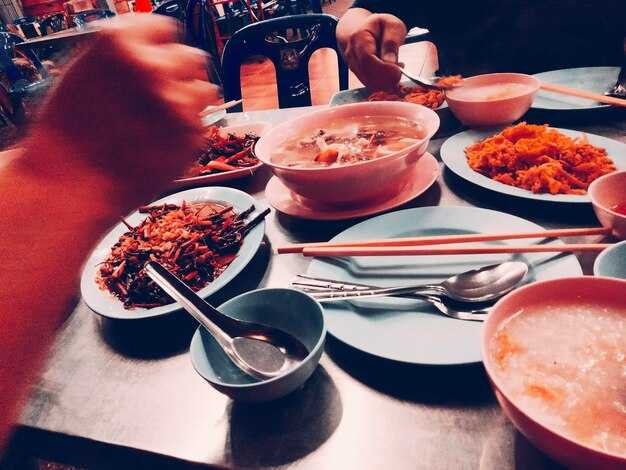
Start with Tim Ho Wan Central for a must-try dim sum bite. This stall serves bowls of pork buns and har gow, and the glow of warm lighting highlights glossy wrappers. Google reviews praise the value, and this is a pragmatic opening for a Hong Kong food day with a refreshing lime juice on the side.
Beyond that, Lung King Heen offers Cantonese finesse, while The Chairman delivers chef-led, gourmet small plates that pair with jasmine tea. Yardbird sears smoky skewers; Kam's Roast Goose delivers crackling skin; Mott 32 makes drama with modern Chinese flavors; LPM Hong Kong blends Mediterranean notes with Asian ingredients; Ho Lee Fook adds playful flavors; Ronin provides a focused Japanese tasting; and Little Bao turns buns into creative, shareable bites. It's a fantastic mix that covers tradition and bold twists.
Plan a flexible sampling route that moves from Cantonese staples to modern drinks and desserts. This approach keeps your energy high as you hop from dumplings to noodles to sizzling stir-fried plates. Expect moments rooted in asian traditions but open to global twists, with ginger aromatics, a creamy sesame finish, or even caviar accents on seafood where offered. Try a razor clam starter, then switch to spring onions with greens, a roucous side if available, and a bright juice to reset between bites.
In each room, careful lighting and layout guide your pace, from intimate corners to lively terraces. Central, Wan Chai, and SoHo form a walkable spine, so you can move efficiently between bowls of hot soup and plates of crisp roast. After finishing a plate in one spot, we went next to the following shop for a dessert. This cohesive arc helps you remember the day as a curated tasting journey, and makes it easy to go next to the next shop for a final bite.
Next time, plan a broader loop and map out by mood and budget. if you're already comfortable with the core spots, use google reviews to spot fresh twists, then test new picks with your own notes and share them with friends.
Ho Lee Fook: Signature Dishes, Price Range, and How to Order
Start with the two-person tasting set to sample a range of signature dishes, then add a couple of mains to finish. This approach lets everyone taste silky textures, marinated flavors, and mala heat without blowing the budget. This works for everyone, too.
The kong-style kitchen in central Hong Kong spot offers inventive twists to classic Cantonese flavors. This concept earned a loyal following, with dishes that balance depth and brightness and spotlight seafood, pork, and vegetable courses loved by locals and visitors.
Signature Dishes
Silky tofu with marinated mushrooms and chili oil kicks off the journey, a dish that sets the tone with brightness and a gentle bite.
Mala-spiced beef cheeks or prawns deliver heat with depth, a true balance of spice and aroma that keeps the plate exciting.
A rich roast pork bite with a lacquer glaze offers crisp skin and a supple interior, a hallmark of the house style.
A lighter seafood course–marinated shrimp with baby bok choy and aromatics–gives a refreshing contrast between depth and brightness.
To finish, a sesame-citrus cake in a delicate, silky texture provides a true end that many guests loved.
Price Range and How to Order
Price range: small plates typically HK$120–HK$240, main dishes HK$180–HK$420, and tasting sets around HK$520–HK$860 for two or more. thailand influences appear in a few spice blends, while thailand-origin ingredients show up as a nod to regional flavors across the menu. The kitchen sources from affiliate farms to ensure freshness and depth of flavor. The typical final bill with drinks sits around HK$680–HK$1,100 for two, depending on selections.
How to order: Start with the tasting set to sample across categories, then pick two or three mains to share. If you want privacy or a group vibe, reserve the private dining room and let staff tailor a sequence of bites to your party size. Mention spice tolerance and dietary needs; the team happily accommodates. For dessert, choose the cake or a lighter option that suits the palate, and finish with a jasmine tea or another fragrant brew.
How the Top 10 Were Chosen and What Makes Each Pick Stand Out
Start here: choose venues that blend a lasting legacy with an original signature dish; this combination shows a restaurant's confidence and skill.
We decided the Top 10 by a clear scoring grid: authenticity of technique, consistency across visits, value for money, service, and hours. We pull data from reservations and walk-ins, cross-check critic notes, and anchor findings with firsthand visits; we’ve dined at many spots and trust the writing of those experiences as a guide.
It was difficult to rank because every kitchen brings something different to the table, whether a favourite family formula or a bold, modern riff. Some picks grew from childhood memories, where a dish sparked love for a town’s cuisine and kept locals coming back.
We reward places that protect a legacy: simple, honest setups in bistros that feel like a neighborhood business and carry a story in the dish. A belon oyster course, a razor-thin pasta, or a cheese-forward plate can be the signature you remember long after the meal ends. Some picks mix western technique with local flavors to create a broader appeal.
We value combo options that balance western technique with Cantonese roots; an edible balance between textures and aromas makes a dish memorable and easy to share in a spot with friends.
Each pick earns its place by where its strengths live–on a windy harbour spot, in a quiet alley, or under neon in a busy town center–and all feel connected to dining across the world through thoughtful wine pairings.
Selection Criteria
We measure originality by the chef’s approach, whether an item remains faithful to tradition while revealing a personal twist. Highly considered are service consistency and hours that fit busy schedules, plus value that keeps a dish tasty even after several visits. We document why a place is loved by locals and how a favourite dish continues to draw crowds.
In writing these notes, we reference critical praise and broad public feedback, then back each choice with a short field visit to confirm the vibe, the menu, and the signature dish that defines the spot.
Standout Traits Across the Top 10
Across the board, you’ll find original ideas powered by honest sourcing and a clear sense of place. Some spots lean into street-food heritage; others lean into bistros with a wine focus, offering a well-curated cheese course and a sugar-kissed dessert that becomes a favourite closer. Loved by locals, always ready for a late-night bite, these places invite you to linger or grab a quick bite. We’ve dined in small towns and along the waterfront, discovering where to find the best bites and how they pair with wines and a thoughtful cheese board. Each dish tells a story, whether the chef’s childhood memories or a bold technique sharpened with a razor-thin finish.
What to Order by Budget: Budget, Mid-Range, and Splurge Picks Across the List
For budget travelers, start with prawn buns and a small bowl of comforting wonton soup at a nearby stall housed in a lively food hall near a temple precinct, showcasing authentic Hong Kong roots. These bites are less than you’d expect, found among hawker lanes that highlight green herbs, ginger, and a bright soy glaze. The crew seating around the stall makes service quick, and you can bring these dishes to share among friends. If you want less oil, ask for steamed versions and request extra greens to balance the richness.
Budget Picks
Order the prawn buns and a simple noodle soup at a famous stall where the jian technique shines in steamed dumplings. Look for options labeled as special or signature with a light mala hint, so you taste depth without overwhelming heat. Choose spots that are located in busy corridors for fast service and comfortable seating that suits travelers exploring nearby markets. thailand travelers can treat themselves to a quick, affordable bite before a long day of sightseeing.
Mid-Range & Splurge Picks

Mid-range dishes across the list merge Cantonese technique with modern touches. Favor roasted duck with crispy skin, Chinese greens with garlic, and a signature mala-tinged stir-fry that stays balanced. These options are found in places housed in calm dining rooms that emphasize comfortable seating, while the service remains fast enough for a full meal with friends in tow. They sit well with a cold green tea and a small pineapple–ginger sauce to brighten the plate.
Splurge picks deliver standout flavors from renowned kitchens. Opt for a masterchef–backed tasting menu that merges traditional roots with contemporary plating, or a premium seafood dish that is roasted to perfection with pineapple glaze and a mala finish. Such meals are famous for their service and generous seating areas, giving you time to savor each sauce and texture while you travel with companions.
Neighborhood Guide: Where to Eat and How to Plan a Tasting Route
Begin your tasting route in Central at a bakehouse for a crisp croissant and a glass of milk, then loop north toward Sheung Wan for silky gruyère tart and bright custard pastries that were created for relaxed mornings. The crew were friendly.
-
Central & Sheung Wan: Morning crunch
- Visit a bakehouse for a crisp pastry and a silky coffee
- Order a savory gruyère tart to pair with milk or a bright custard tart
- Allow 60 minutes for tasting; this spot sits at the top of many locals’ lists
-
Wan Chai & Causeway Bay: Farm-to-table lunch with contrast
- Choose a farm-to-table spot for dishes that emphasize seasonal greens
- Try an American-style sandwich or burger to provide a different texture from local favorites
- Pair with a glass of wines; advance reservations help busy weekends
- Among the dishes you've tasted, this American-style bite provides a different texture
-
Sham Shui Po North District: Street stands and slippery textures
- Stalls and stands along the street offer long lines and a variety of dishes
- Sample a slippery noodle dish and a bright sauce to contrast richer picks
- Among the stands, look for a crisp fried bite with a different pepper profile
-
Kowloon West: Honolulu-inspired finale with creamy comfort
- Choose a Honolulu-inspired poke or tropical-inspired dish to light the end of the day
- Ask for a creamy sauce with a cheese topping featuring gruyère
- Finish with a silky custard dessert and a glass of light wine
- Remember: some spots are difficult to snag without advance reservations
Timing Tips: Best Times to Visit to Avoid Crowds and Secure Good Seats
Reserve weekday lunches around 11:45–12:15 or 14:30–15:30, and target dinners at 18:00–19:00 or 21:00–22:00 to secure seats. Use online reservations or waiting lists to confirm tables without standing in line, especially for inside seating. If you’re seeking faster turnover, choose shared tables at ramen or curry spots where the serving pace keeps moving and you still get a seat near the action. Some menus offer richly layered broths with edible toppings and a warm finish, ideal after a day of exploring the city.
On weekdays, CBD and Wan Chai loosen after 1:30 pm; Mong Kok and Tsim Sha Tsui stay busy through lunch and into the early evening. Some menus even offer pork lung soup; it’s edible and warming. Ramen spots fill quickly 12:00–13:00 and again 18:30–19:30; kams and vickys near salisbury road tend to show longer lines at dinner, so plan ahead with a guide or app. If you want to sample seafood like clams, aim for the mid-morning window or just after the lunch rush to beat the crowds.
Smart seating and planning
Ask for inside seating to avoid humidity and noise. For small groups, a window or corner seat can boost your comfort; for speed, choose the counter at ramen bars or other quick-serving spots. If the place uses shared tables, prepare to mingle with fellow diners and consider shifting seats after your main course to keep the flow steady. Planning around serving pace helps: main courses arrive faster when you sit near the kitchen, while desserts such as chocolate or dairy-based options appear after the rush subsides. You should also check each venue’s policy on shared seating so you know what to expect.
Culture and timing cues
Hong Kong dining culture rewards punctual arrivals and smart planning. In popular districts, late-afternoon visits at salisbury-area clusters or near avant-garde venues cut waits and let you sample a rich combination of offerings–from edible clams to main courses and even plated curry or ramen. Carry a compact guide to local spots (your own or a trusted app) so you can switch to a different place if the line grows. Remember that every reservation earned you a better seat and a smoother experience for the next meal along the route of your food journey.
Booking, Accessibility, and Dietary Needs: Reservations, Walk-Ins, and Special Requests
Reserve your table two weeks ahead for weekend dinners at popular HK spots, especially around elgin and harbour locations, to guarantee seating for multiple guests. Check the menus in advance to pick places that match your childhood memories or current cravings, and note whether they serve western flavours, claypot specialties, or recipes featuring oysters, yolk, creamy textures, or foie. Be mindful of stairs for multi-level venues and request the elevator or a table on the lower level if needed. Many places offer aside corners or upper-floor seating with a view; look for a place with seating that feels welcoming, and consider popping by a nearby bar after the meal. Some venues display a playful maneki-neko by the entrance, adding a charming touch to the dining experience. If you want a strong filling meal, choose a spot that serves curated starters and a rich main course; upon arrival, you can check a caviar-topped bite or a claypot dish for a true HK feel. If you expect butter-rich sauces or roucous, verify which menus will deliver that texture, and watch for gruyère accents that complement the recipe.
In practice, most places provide a way to reserve through the official site or a trusted platform, and they may offer a dedicated section for accessibility requests, special diets, or seating preferences. For families or groups, a clear note about the party size and any mobility needs helps the host assign appropriate seating on the main floor rather than the upper stairs when possible. If a restaurant cannot accommodate your preferred arrangement, they will often suggest a nearby place with a similar concept or a nearby table where your party can settle quickly and comfortably.
Booking tips and walk-ins
Book via the restaurant’s official site or a trusted platform and note any special seating needs, such as proximity to windows or the Harbour view, whether you prefer upper or lower floors, and if wheelchair access is required. For groups, provide a rough headcount and a backup plan in case of a full house; many places request a credit-card hold for parties of six or more. If you walk in, expect a wait at busy hours; have a flexible plan, check nearby times, and ask the host about the next available table or a nearby alternative seating area.
Accessibility and dietary requests
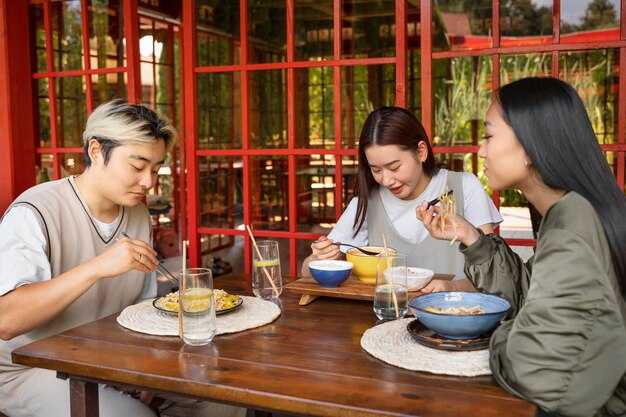
Tell the staff about allergies or dietary restrictions when you book or upon arrival. Most venues respond quickly via the official site or a quick call; specify gluten-free, dairy-free, vegetarian, vegan, shellfish, or halal needs. If you require an accessible route, ask for a seat on a level floor with elevator access and confirm restrooms; choose seating where you can avoid stairs if possible. In HK’s western districts or harbour-adjacent spots, some rooms on the lower level or near the entrance ease access. When dining, kitchens may accommodate requests such as reducing butter in a creamy sauce or offering alternative toppings like caviar or foie; if you crave a simple, classic feel, ask about a recipe that keeps the yolk center bright and the texture light. For those seeking a soulful memory, a kitchen that serves roucous with fresh herbs nearby can be a winner and a world-class choice, with options to tailor flavours and portions to your preference; if you’re dining with kids, mention childhood favourites to inspire a special, shareable dish.


