
Perfect 2 Days in Kuala Lumpur - The Ultimate Itinerary for First-Timers
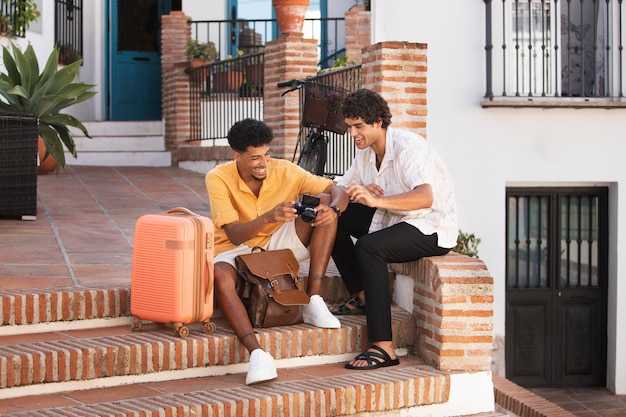
Start with a 9:00 AM breakfast at a busy mamak near Bukit Bintang, then exploring the city center to cover the must-see sights before the heat peaks. The route keeps a comfortable pace, with short walks and convenient rides that usually work well for first-timers. To understand the impact of the heat, early starts pay off, and you'll have energy for sunset over the skyline.
Day 1 begins at KLCC Park with a view of the Petronas Towers, then a stroll to Merdeka Square and the Sultan Abdul Samad Building. Allocate about 2–3 hours for this cluster, and prebook the skybridge to save time. Afterward, ride to Central Market to browse kapas fabrics and sample local snacks. For the transfer, taxis are plentiful, or you can grab a ride via the Grab app; plan a 15–20 minute transfer between sites.
In the afternoon, explore Chinatown along Petaling Street, then drift into the kampung Baru area for a quiet lunch. Find a secluded cafe alley in the kampung Baru area for a quieter meal with riverside views, and enjoy the contrast between this relaxed corner and the bustle of the city center.
Day 2 rises early for Batu Caves. The KTM Komuter from KL Sentral takes about half an hour to Gombak, then a short uphill walk to the caves. Arrive before 8:00 AM to beat crowds and heat, and plan a 20-minute photo stop at the entrance. Return to the city around late morning for a quick lunch in Bukit Bintang or KL Sentral, then finish with a final stroll along Jalan Alor for street-food bites.
If you have a layover, this route can fit into a 6–8 hour window by prioritizing core sights and skipping museums. Use a compact transit pass or a few taxis to keep moving; grab remains convenient for short hops. Usually the mornings bring fewer crowds, so starting around 9:00 AM helps you cover more ground without fatigue.
Day 1 Morning: Petronas Towers, KLCC Park, and a Snapshot Photo Stop
Reserve a morning Skybridge slot online to secure access before the crowds. This means you frame the Petronas Towers with crisp edges as light softens, then step onto the plaza to set up a Snapshot Photo Stop with the towers rising behind a gentle spray from the fountains.
KLCC Park, built to complement the towers, offers a calm oasis with lawns, water features, and a lake that mirrors the skyline. The atmosphere shifts as families stroll and joggers pace the loop; position yourself on the pedestrian bridge for a frame that links architecture with water, and the reflections will give your shot a quiet, almost cinematic feel. The morning air sits around 28–30 degrees Celsius, a comfortable range for a short walk.
For a bite that suits the occasion, sample steamed dumplings and char teow from stalls selling breakfast nearby. If you go alone, the morning energy around KLCC keeps loneliness at bay; the crowd's rhythm gives you a sense of belonging in this corner of the capital. Taxis line up outside the complex, ready to shuttle you to a hotel or to some resorts in Selangor for a warmer start to the day.
If you prefer a villa-style retreat, a short ride can land you at hotels with a pool and greenery before you continue toward the city’s west side. The second option–a hotel stay with easy access to the airport corridor–gives you a flexible pace without losing momentum. The morning around Petronas, KLCC Park, and the Snapshot Photo Stop sets the tone for your southeast Asia adventure and the culture you’ll sample all along the way, even if terengganu’s reefs or teluk beaches await later to refresh your days.
Day 1 Afternoon: Bukit Bintang Eats, Street Food, and Local Markets
Go to Jalan Alor by 2 PM for the best street bites along the main street: satay, stingray, nasi lemak, and a milk tea. Wooden stalls line the lane as aromas rise from wok and grill; prices typically RM 12–25 per dish, so plan to sample two or three items to cover the range without overdoing it. Even if you had breakfast earlier, the main street still offers lighter bites that pair with a refreshing drink.
From there, stroll Bukit Bintang’s covered walkways to Pasar Seni (Central Market) for crafts and a compact gallery of local design. There, a colony of artisans sells batik prints, wooden trinkets, and small home goods; theyve arranged the stalls in a walkable loop so you can sample without backtracking. On weekends, especially in October, tourists flow through the lanes, slightly boosting lines but expanding options. Use nearby stations–Bukit Bintang, Imbi, and Pasar Seni–for easy access; there are rentals for e-scooters if you want a quick hop between spots. There’s no coastline nearby–this is inland town center energy at its best. The pace stays relatively flat, letting you linger over a pastry or gallery piece.
What to eat and where to go
- Jalan Alor staples: satay, grilled stingray, prawns with sambal; price range RM 12–25 per dish; drinks include milk tea and coffee.
- Nasi lemak and curry stalls near Jalan Alor and in Pavilion KL Food Court for a more controlled environment; expect 8–14 RM per serving.
- Central Market shopping lanes: batik prints, woodwork, and souvenirs; upstairs gallery-like displays showcase local design.
- Rentals and transport tips: e-scooter rentals near the stations let you cover two or three spots quickly; walk the final stretch to soak in the town vibe.
Tip: avoiding overly spicy dishes if you’re new to sambal; there’s a broad mix of options, there’s no need to rush. If you need a quick break, step into a cafe for a cool milk-based drink and watch street life flow by.
Evening in Chinatown: Petaling Street Night Market and Local Snacks
Start the evening at Petaling Street after sunset to catch the market at its peak; the humid air, lanterns, and sizzling stalls set the mood. Grab a plate of char kway teow, a skewer of satay, and a sweet apam balik from different lanes, then compare the spice levels and textures as you stroll. Many traders stayed open late, so you can pace yourself and sample a few bites without rushing.
Upon exploring Petaling Street, you quickly notice how many cultures converge here: Chinese lanterns, Malay coffee joints, and Indian sweets share the scents and colors. The lanes weave a tapestry of religions and traditions, with a crescent of temples and a nearby church reminding you of the city’s diversity.
For a breath of fresh air, stroll toward a secluded corner where a tiny park and a botanical plant cluster near the market, then climb a short hill path that offers a city panorama. The views reveal how developed the city center has become while keeping green pockets handy for a quick hike.
Bonus: if you have time, take a quick ferry ride along the Klang River to see KL’s lights from the water, then loop back to the market for a second bite before closing. The ride is short, easily fitting between bites and shopping.
Evening in Chinatown becomes a rich experience where you can compare the flavors of multiple cultures and easily strike up conversations with sellers. The market offers adventures in shopping and tasting, with hidden stalls and a few secluded corners that reward curious explorers. For a longer extension, consider a side trip to Cameron Highlands to taste fresh tea and enjoy cooler air.
Day 2 Morning: Batu Caves and a Heritage Walk Through the City
Begin Day 2 with Batu Caves early to beat traffic and heat. Your plans should include climbing the white limestone hill to the cave temple as the morning light brightens the interior. If you havent arranged a guide, the self-guided route works; check the website for opening hours and cave rules. The 272 steps sit alongside a shaded path, and the surrounding nature feels refreshing. The moment at the top offers a sense of infinity against the skyline, a contrast to the road below.
From Batu Caves, hop a KTM Komuter to KL Sentral and head toward the city center for a heritage walk. The route passes by a mix of types of architecture, from Moorish to Art Deco, and sits nearby the old town’s riverfront vibe. The south-facing sun paints the red brick of the Sultan Abdul Samad Building, and Merdeka Square gathers locals and visitors. For adventuring types, this route offers a compact, walkable arc with photo stops and coffee. If you have visited kuantan, the city feels totally different–a different scale of traffic and energy. You can also combine this with a teluk-style riverside detour along the Klang riverfront near Pasar Seni for a quiet moment away from the crowds.
Heritage Walk Highlights
The sequence along Jalan Raja with stops at Merdeka Square, the Sultan Abdul Samad Building, Dataran Merdeka, and Central Market gives a clear arc from colonial to modern Kuala Lumpur. You’ll notice white columns, red bricks, and ornate arches that sits in the morning light. Chinatown's stalls and the nearby Little India add spice to the stroll, while St. Mary’s Cathedral offers a calm interlude near the river. Most sights are free, with mere charges for a few small museums or guided experiences; plan a quick look on the website to choose what fits your plans.
Practical Tips
Check weather and transport options on your internet before you leave the hotel. Bring water, wear comfortable shoes, and carry a small sunscreen. Use the nearby trains or ride-hailing apps to minimize road time and avoid heavy traffic. If a stop feels pricey, skip it and savor a mere 15–20 minutes at the next landmark. For lunch, try a local nasi kandar place near the south side of Jalan. For a longer stay, book a room near the city center to keep your energy up for the afternoon explorations.
Getting Around: LRT/MRT, Grab, and Practical Transit Tips
Get a rechargeable card (Touch 'n Go/rapid) and link it to your e-wallet; arrived at each station, tap in and tap out, and keep your legs moving rather than fumbling for cash. This setup speeds transfers and reduces queues, ideal for a two-day plan visiting malls, a museum, and other city highlights. Your getting around becomes a smoother part of your Kuala Lumpur getaway.
LRT/MRT: essentials for fast hops
- Card payments: Use a prepaid card or e-wallet; top up RM20-40 for a day of sightseeing, which covers multiple hops between central hubs and popular joints like KLCC, Bukit Bintang, and Pasar Seni. It serves as a quick way to move between attractions without lining up for tickets.
- Lines to know: Kelana Jaya LRT (green) and Ampang/Sri Petaling LRT (purple) link the core area with suburbs, while the MRT Kajang Line extends your reach toward the south and east. Check the MyRapid app for interchanges and real-time arrivals; it’s a helpful tool if you’re trying to compare routes or plan a tighter schedule.
- Hours and cadence: trains usually run from about 5:00 to 00:00; peak intervals are roughly every 3–5 minutes, off-peak every 6–10 minutes. Sometimes delays occur during rain or events, so plan a little buffer if you’re visiting a museum or a specific mall.
- Accessibility and cleanliness: major stations offer elevators and ramps, and most trains stay clean during the day. If you arrive to a crowded platform, use the next train rather than squeezing into the rear car–comfort matters when you’re sightseeing with a packed schedule.
- Practical routing: stay closer to KL Sentral or KLCC for easier transfers, and note that some lines extend to suburbs beyond the city center. If you’re visiting a mall or a park after a ride, you’ll find the transfer points are typically within a short walk.
- Nearby options and examples: KLCC houses a well-known museum complex and several malls; Pavilion KL and Bukit Bintang area stores keep you close to dining and nightlife after a museum visit or a stroll along a lakeside park. For a broader plan, consider Langkawi or terengganu flights later on–the rail network is a smooth start, but your domestic hops will likely occur from KLIA.
- Note on planning: consider using the rail network for a closer, faster loop between attractions; compared with taxis, rail is cheaper and more predictable for a dense city center route. If you’re arriving from an international flight, the rail route to your hotel can be a clean, direct option after you’ve grabbed your luggage.
Grab and practical tips for the last mile
- Grab is widely available city-wide; choose GrabCar or GrabCar Plus if you have luggage. Set pickup near your hotel to minimize walking and to cater to your party’s needs, whether you’re visiting a mall, museum, or lakeside park.
- Fare awareness: daytime rides inside central KL typically stay in a comfortable range (roughly RM6–RM12 for short hops); peak times and rain can push costs higher, so sometimes a short combined rail+grab plan saves time and money.
- Safety and reliability: verify the car plate and driver before entering; share trip details with your hotel or a travel companion, and avoid sharing sensitive information in public chats. If you’re traveling with a teacher or a group, tracking trips helps keep everyone aligned.
- Alternatives and comfort: use hotel shuttle services or taxi stands at major malls when Grab isn’t convenient; Go KL buses offer a free alternative for short hops and closer sightseeing between attractions.
- Getting food and flavor: after a transit leg, you might want to sample a local sauce from a street stall or a cafe near your next stop; the food scene is rich and often just steps away from rail stations.
- Notes for planning a multi-stop day: if you arrived late or want a compact plan, pairing a mall stop with a short LRT hop is a smart move; a lakeside stroll near Perdana Botanical Garden adds a refreshing break between stops and doesn’t require long walks.
- Langkawi and terengganu aside: if you’re planning langkawi trips or terengganu visits after KL, domestic flights depart from KLIA, making KL a convenient springboard for a broader Malaysia itinerary.
- On the ground mindset: initiative from city services helps riders with more accessibility, and the service level across stations serves both locals and visitors alike. If you’re visiting with luggage, a larger Grab option can better cater to your needs and keep you comfortable throughout the day.
- Practical mindset: note that some evenings and weekends bring larger crowds near popular hubs; staying flexible, taking a slower pace at the riverfront or lakeside paths, and trying different routes can reveal pleasant detours and hidden spots your itinerary would otherwise miss.
Preparation and Budget: Packing List, Spending Plan, and Safety Basics
Pack light and practical: a single 40–45L backpack plus a reusable bottle, a compact rain jacket, and a portable charger. Keep copies of your passport and hotel bookings offline, and carry a small lock for lockers. For getting around, top up a transit card and use gocar for late returns directly from the centre. Between stations, plan short hops to experience the extensive neighbourhoods; enjoy the backdrop of Kuala Lumpur’s quaint street life. Include fruit from street stalls and a small sambal jar for taste. If staying in the centre, consider dusun-style hostels for huge savings and a chilled, classic vibe that tourists love.
Packing List
Essentials for two days: back-friendly bag, water container, weather gear, power source, adapters, locks, light shoes, and compact toiletries. Add a small first-aid kit and a flashlight for night walks near the square and markets. Bring a spare SIM card or data plan for instant updates as you move across stations and neighbourhoods.источник
| Item | Category | Notes | Est. Cost (RM) | Qty |
|---|---|---|---|---|
| 40–45L backpack | Gear | Durable, comfy straps | RM 60–100 | 1 |
| Reusable water bottle (500–750ml) | Essentials | Stainless steel preferred | RM 15–25 | 1 |
| Light rain jacket or poncho | Weather | Packable | RM 10–25 | 1 |
| Power bank 10000–20000 mAh | Electronics | USB-C compatible | RM 60–120 | 1 |
| Universal travel adapter | Electronics | 2–3 USB ports | RM 40–80 | 1 |
| Small padlock for lockers | Security | 4-digit | RM 10–25 | 1 |
| Compact umbrella | Weather | Windproof | RM 15–30 | 1 |
| Travel toiletries kit (toothpaste, brush, soap) | Toiletries | Travel-size | RM 5–15 | 1 |
| Microfiber towel | Misc | Quick-dry | RM 25–60 | 1 |
| Sunscreen | Toiletries | SPF 30+ | RM 15–40 | 1 |
| Insect repellent | Toiletries | 20–30% DEET | RM 8–25 | 1 |
| First-aid kit | Health | Band-aids, antiseptic | RM 10–25 | 1 |
| SIM card with data | Connectivity | Local plan | RM 20–40 | 1 |
| Travel laundry bag or pouch | Misc | Lightweight | RM 3–10 | 1 |
| Portable flashlight | Safety | Compact | RM 10–25 | 1 |
Budget and Safety

Two-day plan for a solo traveler staying in a centre area: an economical route fits RM 260–540 for two days, while a comfortable approach sits at RM 660–1160. Food options include fruit stalls and sambal dishes; reserve RM 40–60 if you plan a skybar experience. Transport stays around RM 20–40, attractions RM 20–60, shopping & miscellaneous RM 20–50, and a contingency fund of RM 20–40. Accommodation for two nights ranges from RM 120–240 in budget options to RM 360–600 in more comfortable choices.
| Category | Budget traveler (RM) | Comfortable traveler (RM) |
|---|---|---|
| Accommodation (2 nights) | RM 120–240 | RM 360–600 |
| Transport (2 days) | RM 20–40 | RM 40–60 |
| Food (2 days) | RM 60–120 | RM 120–240 |
| Attractions & experiences | RM 20–60 | RM 60–120 |
| Shopping & miscellaneous | RM 20–40 | RM 40–80 |
| Contingency | RM 20–40 | RM 40–60 |
| Total (two days) | RM 260–540 | RM 660–1160 |
Safety basics: keep valuables secured in a zipped bag, stay in well-lit areas around stations and markets, and use licensed taxis or gocar after dark. download offline maps to avoid getting lost near dusun and centre zones, and share your location with a trusted friend when crossing large squares or busy markets. Carry only a small amount of cash and a card, and trust your instincts if a street feels off. источник


