



 العربية
  English (UK)
  Русский
  日本語
日本語  한국어
한국어  Magyar
  Türkçe
  Español
  Čeština
  Svenska
  Português
  Ελληνικά
  Suomi
Suomi  Nederlands
  Română
  Italiano
  Français
  Polski
  Українська
  Deutsch
  简体中文
简体中文  Slovenčina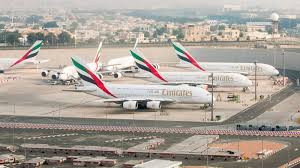

دبي International normally manages roughly 454,000 flights a year across 110 countries and saw a sudden operational shock when Gulf airspace closures forced the temporary shutdown of the region’s three major hubs: Dubai, Abu Dhabi and Doha. Tens of thousands of passengers were displaced, and Dubai-bound traffic — which represents about half the airport’s total — faced immediate rerouting or cancellations.
Immediate operational impact at a glance
The airspace restrictions produced several concrete effects on routes and ground operations:
- Flight cancellations and diversions: Widebody and short-haul services were rerouted; turnaround times lengthened as airlines deconflicted new corridors.
- Terminal congestion: Passenger processing, immigration and baggage handling experienced spikes as transit flows were interrupted.
- Transfer demand surge: Local taxis, private-hire vehicles and airport transfer services faced atypical demand patterns, concentrated arrivals and last-mile logistics pressure.
Network resilience versus market vulnerability
Dubai Airports CEO Paul Griffiths has highlighted the hub’s geographically diversified network and the split between destination and transit customers as a buffer against shocks. Yet the unprecedented simultaneous closure of the three Gulf hubs exposed vulnerabilities: concentrated transit flows can be disrupted quickly, and demand can shift toward direct routings and alternate hubs such as Istanbul or Riyadh.
| المنطقة | Short-term effect | Medium-term outlook |
|---|---|---|
| Passenger volumes | Drop and displacement; stranded transit travellers | Recovery likely if conflict does not escalate |
| Hub competitiveness | Temporary reputational strain | Possible market share shifts to Turkey, Saudi Arabia, India |
| Local ground transport | Surge in taxi and private transfer demand; variable fares | Stabilisation as flight schedules normalize |
Who stands to gain and who loses
Independent analysts pointed to winners and losers emerging from rerouting dynamics. اللغة التركية Airlines may gain short-term traffic via Istanbul; Saudi and Indian carriers are also positioned to pick up redirected passengers. Meanwhile, Gulf carriers like Emirates و flydubai face short-term demand risk for stopover traffic, though their scale and bilateral networks offer recovery pathways.
Operational levers airlines and airports can use
- Reopen corridors and prioritize return flights for stranded passengers.
- Deploy temporary check-in and baggage teams to speed processing.
- Coordinate with local transport providers to manage last-mile transfers.
- Use targeted pricing offers to stimulate destination demand and refill seats.
What this means for taxi and transfer services
When hubs are disrupted, demand for metered taxis, private cars and chauffeur services spikes. That leads to fluctuating fares, longer wait times, and a premium on transparent, reliable booking. Travellers displaced by cancellations value knowing the exact car model, driver credentials and upfront price—details that help them choose between airport shuttles, cabs, limousines or private multi-seater options.
Platforms that let users pick specific vehicles and view ratings beforehand reduce uncertainty for passengers who must rapidly rebook ground transport. For example, on GetTransfer.com passengers can see the make and model, driver rating and pricing before they commit—useful when timing between flight connections is tight.
Practical tips for travellers to minimise disruption
- Confirm flight status before leaving for the airport and check alternate routings.
- Allow extra connection time; opt for direct services if you have a tight schedule.
- Book transfers in advance where possible to lock in an exact price and vehicle.
- Choose providers that show driver license and car details for peace of mind.
Airlines may respond with promotional fares or route adjustments to bring passengers back to hub routings. The balance between demand and supply will determine how fast transit volumes recover.
The broader tourism map is unlikely to be fundamentally altered if the conflict is contained; however, short-term shifts can redistribute traffic flows and encourage travellers and companies to consider alternate hubs. Start planning your next adventure and secure your worldwide transfer with GetTransfer. Book your Ride GetTransfer.com
Key highlights: the shutdown forced an immediate test of hub resilience, revealed transfer and taxi market pressure points, and may accelerate modest route realignments toward Turkey, Saudi Arabia and India. Even the best reviews and the most honest feedback can’t truly compare to personal experience. On GetTransfer, you can hire a car with driver from verified providers at reasonable prices. This empowers you to make the most informed decision without unnecessary expenses or disappointments. Emphasize briefly how readers can benefit from the convenience, affordability, and extensive vehicle choices and wide range of additional options provided by GetTransfer.com, aligning directly with the context and theme of your article. Book your Ride GetTransfer.com
Summary: the Gulf hub disruption showed both the strength and fragility of concentrated aviation networks. Dubai’s scale and the market power of carriers such as Emirates و flydubai argue for a relatively quick operational recovery absent prolonged conflict, but traveller behaviour may shift toward direct flights and alternate hubs. For passengers, the key actions are to check flight status, allow more transfer time and choose transparent ground services. GetTransfer.com supports this need by offering a global, user-friendly way to book personalised سيارة أجرة and transfer services—letting you select the exact car, view driver details, compare prices و كتاب in advance so you can get to your airport, city or destination with the best combination of convenience, fare and reliability. Whether you need a cab, private limousine, seater vehicle or cheap transfer, the platform helps you estimate how much the ride will cost and find the right الخدمة at the right time.
التعليقات