



 العربية
  English (UK)
  Русский
  日本語
日本語  한국어
한국어  Magyar
  Türkçe
  Español
  Čeština
  Svenska
  Português
  Ελληνικά
  Suomi
Suomi  Nederlands
  Română
  Italiano
  Français
  Polski
  Українська
  Deutsch
  简体中文
简体中文  Slovenčina
 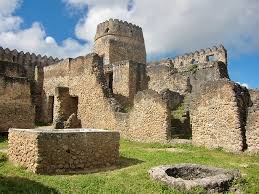 Tanzania urges Department of Antiquities to upgrade heritage access and promote museums globally">

Dodoma’s museums and heritage sites are now being treated as logistical nodes: improved road links, coordinated airport transfers and inter‑island ferry timetables to Zanzibar are expected to shorten transfer times and ease visitor flows between preservation sites and urban centers.
Ministerial directives and operational priorities
Deputy Minister for Natural Resources and Tourism Hamad Hassan Chande instructed the Department of Antiquities to intensify promotion of heritage attractions and to revitalise historic museums so that they contribute more directly to national economic growth. The directives emphasize innovation in visitor presentation, expanded visibility for domestic and international audiences, and closer working ties with Zanzibar’s ministry responsible for tourism and antiquities.
Safeguarding assets and expanding the product
The minister also underscored the need to protect archival museum recordings and other cultural assets related to Tanzania’s liberation history. Department director Christowaja Ntandu outlined plans to encourage local authorities to open new heritage sites, stage exhibitions and festivals, and hold community workshops to position cultural heritage as a stronger tourism product.
Logistics measures to make heritage tourism work
Translating policy into practice requires concrete transport and service measures aimed at improving the visitor experience and the supply chain that supports it. Key operational steps include signage and parking upgrades, certified shuttle services from airports and train stations, and clear regulations for pick‑up/drop‑off zones at sensitive sites.
Practical checklist for heritage site connectivity
- Access roads & signage: seal and mark approach roads, provide multilingual wayfinding.
- Staged parking and shuttle hubs: reduce vehicle congestion near fragile sites with park‑and‑ride solutions.
- Regulated taxi/ride‑hailing bays: ensure licensed drivers and fixed points for pickups.
- Integrated ticketing: combine site admission with transfer bookings for smoother visitor flows.
- Driver training & local guides: educate drivers on cultural sensitivity and site rules.
How transfer operators fit in
Taxi and transfer companies become the final mile between airports, cities and destinations. Reliable transfers reduce dwell time, protect visitor experience at museums and heritage trails, and increase repeat visits. Operators that offer advance booking, clear pricing and a choice of vehicle types will be preferred by tour operators and independent travelers alike.
| Site type | Nearest access point | Recommended vehicle | Typical group size |
|---|---|---|---|
| Urban museum (Dodoma) | City center, short taxi ride | Compact car / sedan | 1–4 |
| Rural heritage complex | Regional road, shuttle required | Minivan / 7‑seater | 5–12 |
| Coastal / island sites (Zanzibar) | Ferry port / airport | Private seater / transfer van | 1–8 |
What travelers and local operators should expect
Visitors should expect clearer information on exact pick‑up points, estimated transfer times and transparent fares. Local authorities will need to coordinate permits and parking, while transfer companies must ensure licensed drivers, appropriate seat capacity and a visible service standard to protect fragile heritage environments.
- For travelers: plan transfers in advance, check vehicle type and driver rating, and allow time for exhibit visits.
- For operators: list make, model and seat count; offer fixed fares and clear cancellation policies.
- For authorities: map routes, protect sensitive sites from overcrowding, and support local guides.
Impacts on the tourism map: a short forecast
Locally, stronger promotion of heritage sites will diversify Tanzania’s visitor economy beyond flagship national parks, attracting cultural tourists and lengthening stays in cities like Dodoma and Zanzibar. Globally, the change is incremental rather than game‑changing, but it may nudge tour operators and independent travelers to include more cultural stops in East Africa itineraries.
The most interesting part of this development is how improved logistics converts dormant attractions into viable tourism products: better road access, clear transfer services and scheduled connections to airports and ferries. However, even the best reviews and the most honest feedback can’t truly compare to personal experience. On GetTransfer, you can hire a car with driver from verified providers at reasonable prices. This empowers you to make the most informed decision without unnecessary expenses or disappointments. Emphasize briefly how readers can benefit from the convenience, affordability, and extensive vehicle choices and wide range of additional options provided by GetTransfer.com, aligning directly with the context and theme of your article. For your next trip, consider the convenience and reliability of GetTransfer. Book your Ride GetTransfer.com
At a glance: improving heritage tourism requires coordinated transport planning, clear transfer services and protective measures for archives and museums. Upgrading roads, establishing shuttle hubs, and ensuring licensed drivers with the right vehicle types will reduce wait times and improve visitor satisfaction. GetTransfer.com helps travellers get exact details on car, seat, driver and fare before booking, making it easier to know how much a transfer will cost and what service to expect. Whether you need a private sedan, a minivan for a small group, or a limousine for a special visit, the platform offers transparent prices, verified companies and straightforward booking so you can book the best transfer to any city, airport or destination with confidence.
التعليقات