Getting Around Medellin - Metro, Taxi, and Bus Guide

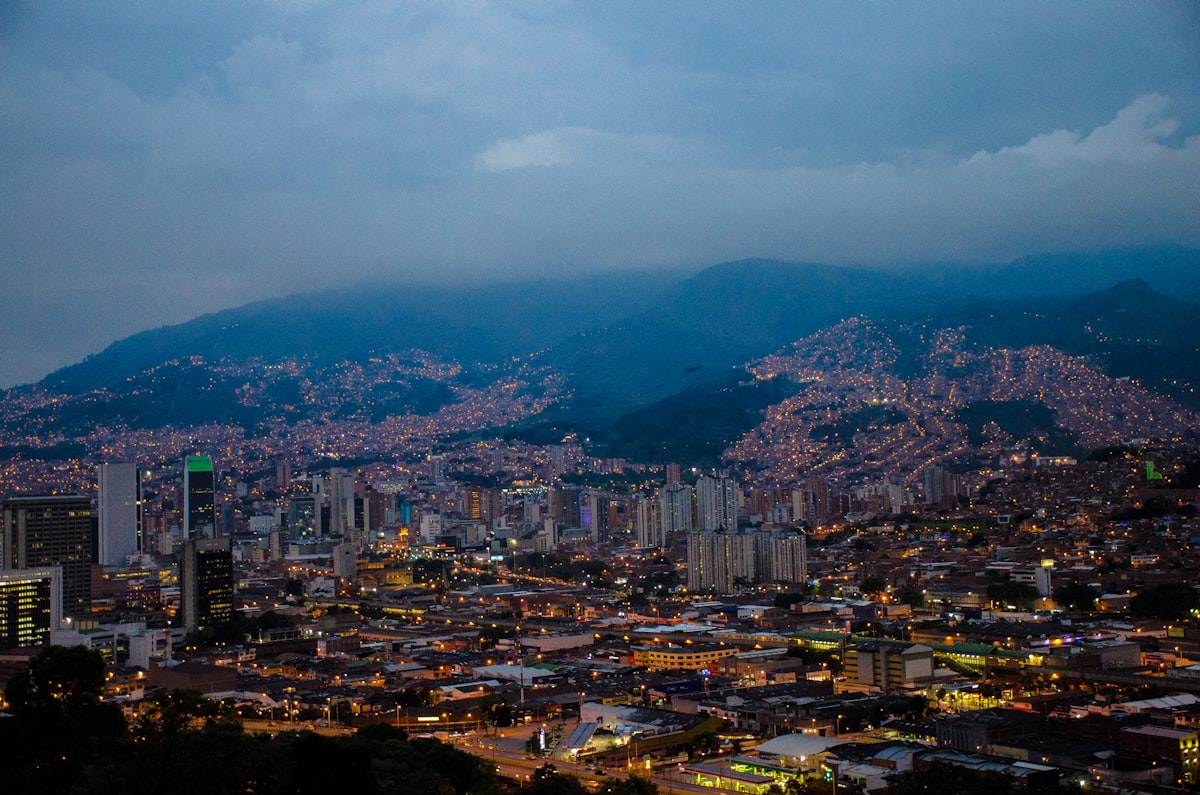
Start with the metro to cover long distances fast. What you need next is a clear plan that uses maps to connect your destination with the right lines. Be aware that driving in central Medellín can be slow and stressful, so if you already have a valid license, consider leaving your car at a terminal parking and continuing by rail or bus. The transformation of Medellín’s transit network makes a trip easier, with the metro available from early morning to late evening and frequent trains that keep waiting times to a minimum.
Metro basics and route planning The metro runs two main lines that intersect at key hubs; use official maps to understand how lines connect to your target. Terminal stops are clearly labeled and maps show transfers. Typical service times start around 4:30–5:00 and last trains run around 11:00–11:30 PM, with times varying on weekends. Fares are affordable, and you can recharge a card at station kiosks to keep your minimum cash handling to a minimum.
Taxis: safe, registered, and ready 24/7 In Medellín, taxis are widely available; hail one on the street or book via apps. Always insist on a meter and confirm the fare before starting. Official taxis display a license plate number and driver ID, and you can ask for a receipt. Expect higher prices at night and during rain; plan for a tip if service was especially helpful. If you’re unsure, ask a hotel staffer for a recommended route to avoid long detours.
Bus network and the suite of options The SITP system combines city buses with dedicated lanes in key corridors. Some routes connect directly to metro stations, making transfers straightforward. Buses are the cheapest option and operate from early morning to late at night, though frequency drops on weekends. Use maps or the official app to time your connections and avoid long waits. Remember to validate your card at the bus reader to keep times accurate and keep aware of crowded peak periods.
Plan your route and stay aware of changes Before you head out, check real-time maps and the terminal locations of your destinations. Anyone can use this network if you plan ahead, but dont assume every ride will be the same every day; service adjustments happen. A well-prepared itinerary reduces transfer stress and makes the transformation of Medellín’s public transit easy and pleasant for visitors and locals alike.
What is the cost of a Metro ticket in Medellin
Use a Tarjeta Cívica for every ride: a single Metro ticket costs about 2,800 COP; with the card you’ll pay roughly 2,400–2,600 COP per trip. Buy the card at stations or official kiosks, load credit, and tap when you enter and exit stations. If you pay with cash, expect a slightly higher fare. The authority that runs the network recommends this approach to keep your carry light and to help with picking the best routes among the stations; note the number of stops between them. The card is valid only on Medellín's Metro and buses. For those who prefer a simple plan, the Tarjeta Cívica is the way to go. From the córdova area to the city center, most trips stay within the same fare band, making it easy to plan before you go and immerse yourself in the city’s highlights. You’ll see enjoyable spots and collinson-style viewpoints, and you’ll meet friendly locals who tell you where to go. If you’re arriving from rionegro, buses feed the metro network, so you can keep moving without a long detour, and you’ll enjoy nature and urban vibes along the way. You can tell the station staff what you need, and they’ll help you get set up.
Where to buy and how to pay
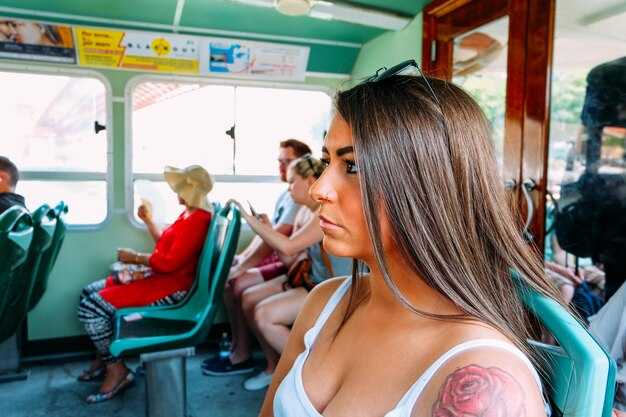
Visit a staffed booth or vending kiosk at any metro station to pick up a Tarjeta Cívica. Load it with enough credit for your day of sightseeing. The card is valid across the metro network and the buses that connect the lines. Tap on entry and exit to ensure you’re charged correctly. If you’re new, ask station staff or friendly locals; they’ll explain how to reload and use it, and you’ll feel confident riding from area spots to city highlights. For example, from Poblado to San Antonio or Universidad, you’ll enjoy a smooth ride and save time on transfers. The network is easy to navigate, and most routes keep you in safe, well-lit areas after dark.
Tips for planning and saving
Carry the card, carry less cash, and pick routes that minimize walking between stations such as the main hubs–Poblado, Industriales, and Universidad. Before you travel, check the official network map to map your path across the area and to tell friends where you’ll be. Medellín’s metro is friendly, reliable, and efficient, with trains arriving every few minutes during peak hours. If you’re integrating with buses, keep your Tarjeta Cívica handy; it reduces hassle at the turnstiles and helps you focus on the city’s nature. You’ll have time to explore collinson spots and other districts while you immerse yourself in local life. The experience is enjoyable and safe, and you’ll return home with memorable highlights from your Medellín trip.
How to pay and where to buy Metro tickets and Tarjeta Cívica
Buy Tarjeta Cívica at any Metro station counter and load it immediately at the self-service machines. The card costs around 5,000 COP and the minimum top-up is 3,000 COP. Bring identification if you're buying a new card. Hours vary by station; counters operate during the day and machines stay open longer. When you enter, tap the card on the yellow reader to open the line; during peak times the queue can feel eternal. charlee, a traveler, notes the process is straightforward and you can book help at the information desk if needed. Metro is offering clear guidance at stations to help first-time riders.
Where to buy the Tarjeta Cívica
Official Tarjeta Cívica points include Metro station counters, self-service machines, and designated retailers along several streets; several options exist. Its official offer is straightforward: purchase at authorized points only. Avoid unfamiliar sellers and scams; theyre scammers. Check information boards for current prices, hours, and where to pick up. International travellers should carry identification when buying. The card can help you plan trails around the city and access social and tourist information offered at stations.
Paying, topping up, and staying safe
To pay, select Tarjeta Cívica on the machine or at the counter, choose the amount, and insert cash or use a debit/credit card where accepted. Load enough to cover several rides, since the fare on a line ride is fixed; the minimum balance ensures you can tap without delay. Yellow readers on turnstiles confirm each tap; if you miss a tap, the line may take longer. Taximeter use governs taxis, and Tarjeta Cívica is not typically accepted in street taxis. If the card balance is taken or the card is lost, visit an information desk to recover or replace it; you can book assistance if needed. To stay safe, avoid scams on the streets; rely on official points only and keep your card secure. Theyre here to help, and staff can provide a map and tips on safe routes during your Medellín visit.
Metro lines, routes, and interchanges for a typical day
Begin at La Alpujarra Station and ride Line A toward Niquía to reach the central hub quickly. entering the station, verify the timetable because schedules shift after weekends, then head toward Espanya to reach a pleasant morning area near hostels for coffee.
- Line overview: Line A runs north-south, linking the northern terminal at Niquía with the southern terminal at La Estrella; Line B runs across the city and interchanges with Line A at major hubs such as La Alpujarra and San Antonio. This common setup lets you loop around with minimal walking.
- Morning route: From a hostel cluster around cordova, take Line A southbound to La Alpujarra, then transfer to Line B to head toward the valley neighborhoods; the ride between stations typically took 2–3 minutes, with extra time during rush hour.
- Midday exploration: Use central stations to enter Espanya and nearby parks; walking times between stations are short, so you can enjoy a pleasant stroll after hopping off.
- Afternoon return: Return to La Alpujarra and ride Line A back toward the north; if you need a different hostel area around Cordova again, use the same interchange logic to stay on the same line.
- Evening wrap-up: For the final leg, Line A will bring you close to the terminal areas or your chosen hostel cluster; verify the last train time before you head back, because services change late.
Tips and considerations: verify times, and add extra buffer for transfers. The atmosphere at central stations is lively but safe, so politely ask staff if you’re unsure where to go. enter the doors carefully and watch the door edges as they open. Protect your belongings to ensure protection on busy lines and avoid the taxi trap by sticking to the metro for core legs. This guide keeps a common route simple and predictable, so the transformation from a hectic center into valley views happens naturally. If you need to reach Espanya or cordova zones, the same line logic applies, and you’ll save time and energy. The time you spend took will vary depending on crowding and transfer counts, but planning an extra 10–15 minutes covers most needs.
Taxi guidelines: fares, hailing, and tipping in Medellin
Always demand a meter or upfront app fare before starting a ride and stick to licensed taxis or reputable apps; if the driver refuses, cancel and find a stand instead.
Hail at official taxi stands near hostels or major spots in El Poblado and Laureles, and avoid isolated streets after dark; if youre new, ask a resident for trusted stands and routes before you get into a taxi.
From cordova (Jose Maria Cordova International Airport) to Medellín's city center, expect a fare range of COP 70,000–110,000; in-city base fare is around COP 4,000 and per km about COP 1,800–2,300; tolls may add a few thousand COP depending on the driving route.
Availability and options vary by time and area; abroad travelers from canada or other countries can use user-friendly apps or hotel desks for upfront pricing, which reduces surprises, and offers alternatives to street hails.
Beware of scams: some drivers may attempt off-meter or unlisted routes to boost fare; if you suspect youre being scammed, walk away and switch to a trusted stand or app ride; never get into a car with another person who approaches you on the street.
Protection matters: keep valuables close, sit in the back seat, and share the trip details with a friend or hostel staff; mind the pickup spots and avoid handing your bag to strangers.
Tips on tipping: for short rides, round up to the nearest 1,000 COP or add 1,000–2,000 COP; for longer rides, 5–10% is acceptable if the service was friendly and safe.
In Medellin, taxis remain a practical option, with high availability in city centers and near major spots; stay with licensed drivers, verify fare and route, and you’ll have smooth rides between hostels, malls, and parks.
Bus network basics: routes, timings, and boarding tips
Plan every ride on the official website before you head out, read the route map to pick lines that pass through your areas. Collinson notes a practical approach: check real-time updates and keep to a simple transfer path. This keeps transfers minimal and your day predictable. The SITP network remains a convenient option for many locals, and a great guide for visiting downtown and surrounding neighborhoods. When you search for details, look for a vetted source like worldnomadscom to confirm safety tips and riding procedures.
Routes and coverage
- The bus grid connects Centro, Laureles, Poblado, Aranjuez, and many other areas, with frequent links to the Metro via transfer hubs. Plan to ride routes that run through your areas to minimize walking and long hops when possible.
- Most major corridors have several line options, so compare route numbers before boarding; if you’re unsure, ask a local or check signs at the stop. Many routes offer through-service to key districts, making long hops straightforward.
- Keep an eye on signs showing direction (north/south/east/west) and the final destination; this reduces the chance of entering a bus headed the wrong way. Only board buses that have a clearly marked final destination.
Timings and boarding
- Headways vary by route and time of day. In peak hours you’ll often see 5–12 minute intervals on popular lines; mid-day 12–20 minutes; evenings and nights can stretch to 30–60 minutes on less frequent routes.
- Check the website or a real-time map before leaving, and be prepared for occasional delays caused by traffic or road works.
- Boarding usually happens at the front door; pay with a SITP card if available, or with cash where accepted. Bring small change because some drivers cannot provide change, and avoid over-tipping or paying more than the fare.
- Validate quickly at the reader and move to the interior seats or stand safely; exit through the rear door when the stop approaches to keep the flow moving. Entering through the front and exiting through the back is common, and mind your belongings in crowded stops.
- Stay aware of your surroundings, and mind your step when boarding and alighting, especially at busy stops where crowds form.
Smart travel tips: avoiding scams and staying safe on public transport
Verify routes on the official government website before you ride. Visit the metro or bus terminal early to confirm the line, stop, and schedule. Follow white signs to the correct entrance and stay aware of your location as you plan a walking route to the station if the distance is short. Park in well-lit areas and carry enough small change with a backup option in case staff availability is limited. If you drive, park close to official entrances and avoid busy roads at night. If something seems off, back away and call for help from a staff member or your guide. For neighborhoods near córdova, stay extra alert on the streets and use official routes only. Consider both option and staying prudential in Colombias public network to reduce risk.
Public transport safety checklist
| Risk | What happens | Prevention |
|---|---|---|
| Fake taxi touts | People outside stands offer rides at a lower price or claim a “special deal.” | Use official stands or apps, verify the driver’s ID and plate, insist on the meter, and back away if something seems off. |
| Pickpockets in crowds | Items disappear from pockets or bags at busy stations or on buses. | Keep valuables in front pockets, use a crossbody bag, and avoid displaying large cash or devices. |
| Unlicensed buses or detours | Driver diverts to a longer route to increase fare. | Board only from official stops, confirm the route with the driver, and cross-check with your guide or map. |
| Card skimming or payment scams | Unclear payment requests at turnstiles or on the bus. | Use official payment methods, verify the amount, and ignore unsolicited offers to top up or swap cards. |
| Assistance scams | Someone offers help with bags and then demands payment or misdirects you. | Ask staff for assistance and stay with a crowd; if alone, decline unsolicited help and move to a safe spot. |
Always verify the latest routes on the official website before you travel, and call your hotel or local guide if you need a quick update. Keeping this prudential approach helps everyone travel with confidence and reduces stress on the roads and streets across colombias public transport network.
Cost-saving tips and best value passes for urban travel
Buy a Tarjeta Cívica and load it with enough funds before you travel, then tap on every ride to access metro, bus, and cable services. This option eliminates cash fares and provides easy transfers across modes, especially when you’re near stations or hopping between neighborhoods.
A single ride costs roughly 2,600 COP on average. If you plan 4 rides a day, your daily cost with the card will be around 10,400 COP, and a 5-day stay could run around 50,000–60,000 COP, depending on routes. These figures give you a solid baseline for comparing with cash fares and planning days in Medellín’s transit network. From hostelcity to isolated zones, you’ll likely see savings as you combine trips.
Best value passes: there is no universal unlimited day pass, so the bottom line is to use a reloadable Tarjeta Cívica and top up to cover your expected rides. For longer stays, top up weekly and map routes to minimize detours. This option provides included transfers within a two-hour window and predictable costs, making it the most straightforward choice for most travelers.
To maximize savings, plan routes that keep you near a metro line or a central bus hub. If temperatures rise, the air-conditioned metro cars offer a more comfortable atmosphere than short taxi hops. Look for the sticker on the fare readers at stations to confirm balance after tapping, and choose the route that minimizes isolated trips and strangers on crowded platforms. Then you’ll avoid paying extra and keep your budget steady while exploring cities from near to far parts of the world.
Example: for a 3‑day visit with about 12 rides, the Tarjeta Cívica typically costs less than paying cash for each ride, providing a clear bottom line on your budget. Thanks to these tips, you’ll enjoy an efficient, friendly experience while staying within your expected daily limits, and you’ll be prepared for whatever temperatures Medellín throws at you during your stay.