Getting Around Denver - The Essential Guide to Denver Transportation

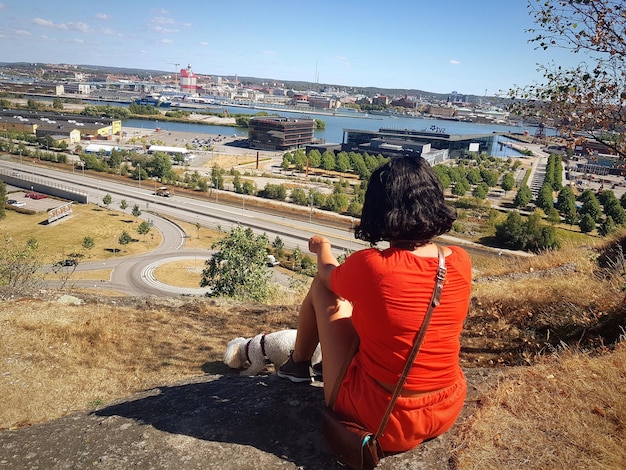
For a hassle-free start, take the RTD light rail for most downtown trips. From Union Station you can reach rino and LoDo in 10–15 minutes on the main lines; trains run roughly every 8–12 minutes during peak times, and apps help with fare payment and trip planning for true convenience.
Beyond rail, Denver’s bus network covers many neighborhoods with frequent routes. In west Denver and along the river, rideshare options and bike-share stations add flexibility. Use apps to compare services, estimate wait times, and pick the this week’s quickest path to your destination.
On weekends, the river trail network connects rino to nearby arts districts and parks. A quick trail ride to shops or cafés reduces parking hassles and keeps costs low. If you bring a bike, expect locals to share route tips and to move efficiently along bike lanes.
In RiNo, you’ll find popular shops and eateries clustered near 35th Street and Arapahoe; many are black-owned and worth a stop for a bite or coffee. Check apps for live inventory and services that support curbside pickup or delivery, making weekend visits to this area this much smoother.
Keep an eye on waiting times for regional buses and plan a 5–10 minute buffer if you’re heading to a game or concert. Mind bus lanes and yield to bikes at intersections; locals appreciate clear signaling and a quick thanks when someone yields to you.
Denver offers a broad gamut of options, from riverfront routes to vibrant west neighborhoods and resort amenities along the river. Use apps to map a hassle-free route, tap into services nearby, and stay flexible so you can move with denvers growing needs. Thanks for reading and enjoy exploring this city on your terms.
Getting Around Denver: A Practical Guide to Denver Transportation and Local Attractions
Get a 1-day RTD pass and ride the light rail from Union Station to the Museum District to cover major sights with minimal parking hassles.
Transit options for getting around

- Light Rail and regular buses: RTD services connect downtown, the Museum District, Capitol Hill, and beyond. Prices vary by distance, with single rides around $3–5 and a 1-day pass often around $11–12, offering flexible travel for visitors. Parking at park-and-ride lots is commonly available outside peak hours. Vehicles include trains and buses, and drivers are generally helpful for first-time riders.
- Rideshare and taxis: Hail a driver via apps or call for service any time. Rates depend on distance and demand, but you’ll find deals during off-peak periods. This option is convenient when you carry gear for a trek or want a quick ride to a specific view point or restaurant.
- Car rental and vans: If you travel with family or a small group, renting a compact car or a van provides extra space and flexibility. Plan downtown parking in advance and check for parking garage limits near attractions; this option makes it easy to visit historic sites and foothill trails at your own pace.
- Bicycle and scooter share: In warmer months, mobile apps unlock bikes and scooters for short hops between neighborhoods. Expect shorter travel times for nearby spots and enjoy a bike-friendly route to parks, museums, and scenic overlooks, weather permitting.
Local attractions within reach
- Downtown and historic LoDo: Start at Union Station, stroll through Larimer Square, then catch live music at nearby venues. You’ll get iconic skyline views at sunset, and a range of food options–from casual bites to chef-driven meals–within easy walking distance. If you stay in hotels around the core, you’ll find comfortable rooms and quick access to transit hubs.
- Museums, parks, and viewpoints: The Denver Art Museum and the Civic Center Park area offer compelling exhibits and greenspace. City Park provides great skyline views and a relaxed setting for a late afternoon stroll or a quick picnic after a ride, while the surrounding neighborhoods deliver diverse food options.
- Red Rocks and foothills trek: A short ride beyond the city limits, this area features dramatic boulders and scenic trails. If you come for a sunset hike or a concert, check the schedule in advance; a rideshare return is convenient after events or hikes.
- Nearby day trips: Golden or Morrison provide classic Colorado mountain views and easy access to river trails. These options work well for a half-day escape without committing to a long drive, and locals often recommend them after morning museum visits.
- Food, shopping, and deals: Denver’s dining scene ranges from casual food halls to upscale restaurants. Look for combo deals on tours or attractions, and consider a dining loop in the evening to maximize your time. For travelers looking to save, some venues offer bundle tickets that include parking credits or discounts on signature experiences.
Plan Your Denver Route: How to pick transit modes by neighborhood
First, pick one primary transit mode for each neighborhood you plan to visit. That choice will guide your day and make transfers smooth, so you can focus on what to see rather than how to ride. Use 'first' as your rule of thumb: choose one main mode per area and layer in transfers only when necessary.
Identify five to seven spots per area to keep your day efficient. Downtown LoDo offers beautiful dining and views; cherry spots along Cherry Creek provide high-end shopping and relaxed cafés; RiNo shows street art; the Highlands area offers a mix of spots with unique character. There are high, energetic spots in each area; map these areas to match your pace and energy.
Feasibility matters: compare options like buses, light rail, rideshares, and rentals. Check the requirements for each route and note transfer points. If a path needs more than one transfer, weigh alternatives with fewer moves. Just plan for contingency and consider what others might do to stay aligned with your schedule.
Don’t let the overwhelming choices stall you. Whether you crave a scenic ride past boulders and peaks or a fast downtown route, pick windows with lighter traffic to keep travel times feasible.
For areas beyond downtown, such as Cherry Creek or the Golden Triangle, decide whether to drive, take rideshares, or mix modes. If you crave flexibility, rentals can cover day trips to Boulder or foothills while you stay near a hotel.
Craft a concise guide you can communicate to your group: list the areas, required transfers, and the services you’ll rely on. Mark a simple map with spots and plan where to catch late-night options for beer or snacks.
Once you finalize routes, check real-time schedules and be ready to adjust. Having a flexible plan helps you make the most of Denver’s neighborhoods and avoids backtracking. wh ats feasible for late-night plans depends on service windows.
Sample approach: in LoDo, start at Union Station, then transfer to a high-frequency line toward Cherry Creek; in RiNo, stay near mural spots and use a quick ride to a beer bar; in Capitol Hill, take a bus back to your hotel and wrap the evening with a stroll.
Mastering Denver’s Rail and Bus: Tickets, schedules, and trip planning
Download the RTD Go app and load a Day Pass before your first ride; this keeps fares predictable, speeds boarding, and makes the experience transparent.
Tickets and passes include single-ride tickets, Day Passes, and Regional Passes. Use the RTD Go app or a contactless card; you’ll see known options, plus the date, hours, and times of service for your trip.
Focus on transfer points (confluence) such as Union Station and other well known hubs; plan transfers at confluence spots to minimize backtracking and stay on track. These things help you cover every area.
When you craft a plan, start with origin and destination, then compare rail vs bus options. The app shows real-time arrivals, service hours, and times; those times depend on traffic, maintenance, and weather, so pick a route that is feasible with the transfers you’re comfortable with.
Airport access via rail provides direct connections to DIA from downtown with true nonstop segments on some corridors; check the app to confirm flight date and transfer times for your plan.
If you need wheels outside transit hours, rentals, car-sharing options, or rental cars provide flexibility; compare vehicle options and rental terms to choose the best fit for your plans. Cars are also available via pickups in certain neighborhoods.
Locals mindy and rino know the confluence well, and they greet fellow riders with salutations at Union Station. They remind travelers to board the front doors and to let people alight first for smoother flow.
Stations offer amenities such as restrooms, seating, and sheltered waiting areas; use the app to locate the best spot with the right amenities and track arrivals frequently to avoid waiting at empty platforms.
Keep a backup date and route sheet in your bag; even with a reliable system, those arent options if your phone dies.
Rideshare, Biking, and Micromobility: Tips for short Denver trips
Start with a bike or e-bike for 1–3 mile trips; use a rideshare if you need to cover more distance or if weather turns. There are choices for quick hops, and you can mix modes along a single day to move efficiently. On sunny days, outdoor routes along the Cherry Creek Path or South Platte Trail shine for a quick trek there.
From Union Station you can access amtrak trains and RTD lines, which lets you plan a longer day and still stay flexible. If you’re there for a quick hop between a spot near LoDo and RiNo, ridesharing moves you fastest during peak times, while a train option can extend your reach beyond downtown when schedules align.
mindy emphasizes planning with a simple map and using live fare estimates in the apps to compare costs before you move. Communicate your pickup location clearly to avoid detours, and remember to bring a helmet if you’re mixing in micromobility. When the weather is ideal, you can push your plans beyond downtown to outdoor murals and confluence views that enrich a short urban trek.
Ideal routes balance car-free segments with easy access to a curb for pickups. There are first steps to ensure you have available bikes and scooters; check the app before you go. If you’re heading toward a park or trailhead, you may resort to shuttles for longer segments and then resume biking or riding through the city. For individuals traveling with friends or family, micromobility keeps costs reasonable and avoids crowded vehicle lanes near popular spots like Confluence Park.
| Mode | Typical Trip Length | Costs (range) | Pros | Tips |
|---|---|---|---|---|
| Rideshare (car) | 2–5 miles | Base $1.50–$2.75; per mile $1.00–$2.00; per minute $0.15–$0.40 | Door-to-door, predictable in rain, easy when you’re between spots | Check fare estimates before leaving; consider shared rides to reduce costs; specify pickup spot near the curb to avoid delays |
| Bike or E-bike share | 1–4 miles | Bike: unlock ~$1 + ~$0.15/min; E-bike: unlock ~$1 + ~$0.25/min (typical 15–30 min ride $2–$6) | Fast in dense corridors; enjoyable outdoor movement; flexible parking | Use bike lanes when possible; verify dock or vehicle availability; wear a helmet |
| E-scooter | 0.5–3 miles | Unlock ~$1–$2; ~$0.25–$0.50/min; typical rides 10–20 min $3–$10 | Highly agile, easy to park, great for short hops | Ride with pedestrians, obey local rules, check for helmet requirements |
| Transit and trains (Amtrak/RTD) | 5–40+ miles | RTD 2.50–6.00 per ride; Amtrak varies by route; passes available | Low stress for longer legs; avoids peak traffic; connects to regional spots | Check schedules in advance; plan transfers to minimize wait times; align with morning and evening peak shifts |
| Shuttles | 2–15 miles | Typically $5–$15 per ride | Fixed routes, helpful for set corridors and between hubs | Verify routes and timing; use in combination with bikes or rideshares to fill gaps |
Beyond routine errands, this mix supports a flexible day: you can cruise through urban centers, swing by the confluence area for photos, and still return by a chosen route without staying tethered to one vehicle. This approach reduces costs, keeps individuals moving, and makes the most of Denver’s outdoor-centered vibe while avoiding heavy parking in busy lanes. The confluence of options–from shuttles to trains–gives you a practical, enjoyable way to explore the city without overcommitting to a single vehicle. Data shows that planning with multiple choices helps you maximize time outdoors and minimize waits, especially on sunny days.
From DIA to Downtown: Fastest routes, times, and tips
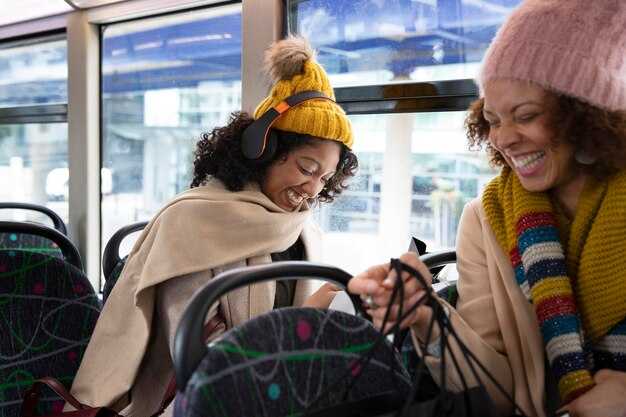
Take the A Line from the airport to Union Station for the fastest start to your Denver visit. The direct ride runs about 37 minutes and drops you into the heart of downtown without traffic delays. Tickets cost around $10; you can buy at the vending machine in the baggage claim area or via the RTD app, which makes travel easier for first-time riders. This option offers a unique blend of speed and simplicity, helping you come prepared for a full day. If you arrive earlier, you can start your plans with a coffee near Union Station.
- Fastest route and time: A Line DIA → Union Station, about 37 minutes, direct and transfer-free, connecting you to central downtown and several stations nearby.
- Ticketing options and cost: Fare runs around $10–$11; buy at the airport vending machines or in the RTD app; a single roundtrip is convenient if you have multiple trips, and rate info updates in real time.
- Alternative options if you’re not traveling light: rideshare or taxi from DIA to downtown take roughly 25–35 minutes depending on traffic; although crowded during peak hours, rideshare remains a solid option; average rates vary but typically $30–$50; a rental car adds flexibility for trips to Morrison, Golden, or other towns.
- Downtown connections: from Union Station you can reach most neighborhoods via trains and lines; several routes and stations let you walk to dining options, parks, and nearby hotels, making the entire downtown experience easy and enjoyable.
- Tips for a smoother start: come earlier on busy days to avoid crowds; check real-time arrivals in the RTD app; mount your bike or luggage as space allows; if you need a longer day of exploring, a rental car can be worth it for trailheads and parks outside the city.
Smart planning for a smooth arrival
- Roundtrip planning: a simple roundtrip can cover a downtown loop and save you time for other trips; this approach helps you maximize your day.
- Nearby dining: Union Station and the surrounding blocks offer quality options for breakfast or a quick bite before you head to parks or trailheads.
- Need to plan trips to towns or outdoors? A rental car makes it easier to visit Morrison and nearby parks in a single day, while the airport-to-downtown rail keeps you connected.
- Experienced travelers stay composed; use the whole route network to create a flexible plan and stay happy as you navigate changes in weather or crowds.
Top Denver Attractions with Easy Transit Access
Base your day at Union Station and plan a hassle-free loop to Denver's top spots using RTD and light rail. theres a straightforward transfer that keeps you moving, and tickets offered by several companies are available for multi-venue visits with deals. From this location you can ride to Civic Center, LoDo, and the 16th Street Mall in minutes, soaking up the city vibe while avoiding parking hassles. This location-based plan makes the commute between spots smooth and practical.
Denver Art Museum sits a short ride from Civic Center, and a quick transfer puts you at its entrance. Tickets can be booked online, and there are deals that pair visits with nearby places. The museum offers amenities such as a café, coat checks, and family spaces that make a city day comfortable, and you can tailor your route to fit a game after the gallery crawl.
Denver Museum of Nature & Science anchors City Park; a straightforward bus transfer from downtown makes the trip feasible and hassle-free. Plan a morning here, then continue to the adjacent Zoo and Botanic Gardens for a full day of learning and exploration. Tickets cover current exhibitions, with offers and bundles that save money for a comprehensive city-and-park program.
Denver Zoo lies in City Park and is reachable with a short ride from downtown via RTD routes. Pair a visit with the Botanic Gardens to maximize time, and enjoy the park’s shaded paths and picnic spots. Tickets can be bought online or at the gate, with family deals offered for multiple venues in the area.
Capitol Hill and Civic Center host iconic spots like the Colorado State Capitol, history museums, and performing arts venues. Free MallRide shuttles along the 16th Street Mall connect you to eateries and shopping, while a simple transfer keeps you moving between live shows and exhibits. The location cluster rewards visitors with multiple nearby spots and consistent transit options.
For longer excursions beyond downtown, bustang provides connections toward Morrison and foothill options. This choice opens up day trips to nearby resorts and scenic viewpoints, letting you live a mountain afternoon before returning to city life. Tickets and passes are offered and available, with clear timetables and maps showing where to board.