
Cebu Airport Guide - Mactan-Cebu International Airport (MCIA) Tips, Flights, and Terminals
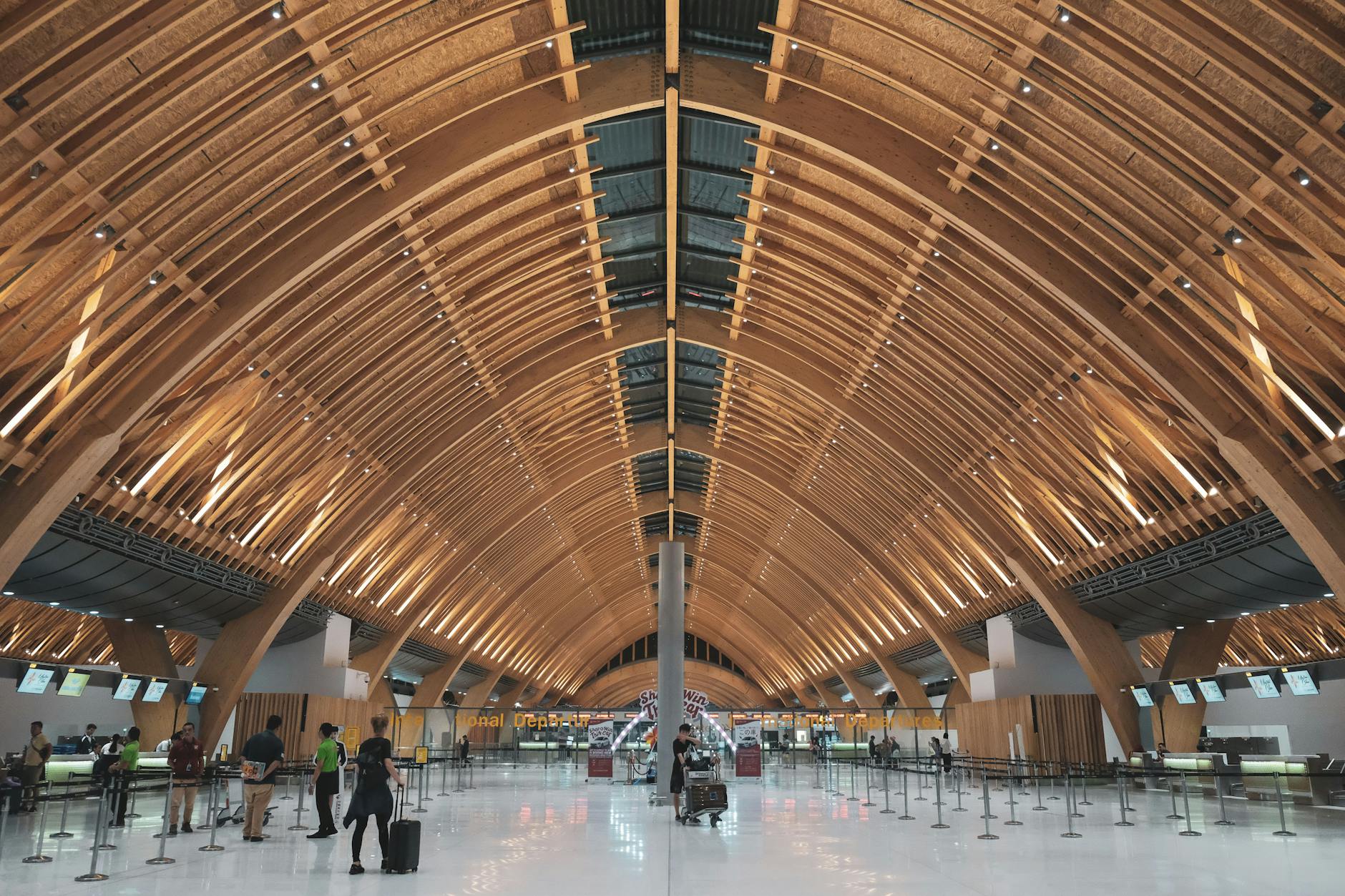
Those arriving at MCIA will benefit from securing a prepaid taxi or reliable transport at the arrivals hall. That transportation option will save you time and prevent you from chasing rides in peak lines; this is a necessary step for a smooth arrival, with prices around PHP 350–600 to downtown Cebu, and a faster ride when traffic is light.
MCIA operates two terminals that handle different flight types. Terminal 1, previously used primarily for domestic flights, now handles both domestic and select international services, while Terminal 2 is the hub for the majority of international connections and new regional services. Within either terminal, clear signages, dedicated baggage areas, and parking zones help you move quickly, reducing stress for those arrivals who seek a convenient transfer from curb to gate.
Check-in guidance is straightforward: airlines publish a minimum check-in window of 60 minutes for domestic flights and 120 minutes for international. To avoid delays, use online check-in whenever possible and head to the correct terminal well before the cut-off. MCIA is offering fast-track lanes for eligible travelers and providing additional help at information desks, making the process smoother for those unfamiliar with the airport layout.
Parking at MCIA consists of short-stay and long-stay options with clear signage. Rates vary by lot and time, but you can expect prices posted at the entry and on the terminal websites. A typical approach is to budget a minimum stay of a couple of hours, which is enough for most domestic (arrivals) and international flights; the parking facilities remain convenient to both terminals.
Once you clear arrivals, MCIA provides a compact set of services: currency exchanges, SIM card kiosks, and rapid Wi‑Fi throughout the terminals. If you need onward transportation from the airport, taxis, ride-hailing, and regional buses are arranged from dedicated arrivals lanes. Those living nearby or staying in convenient neighborhoods will find the main access road well signposted and a dedicated parking area near the terminal you use. keep in mind that the notice boards at MCIA update gate changes or terminal reassignments during high season, finally helping you plan arrivals and prices more smoothly.
Terminal 1 vs Terminal 2: exact location, services, and where to move for arrivals and departures
Choose Terminal 2 for international arrivals and departures, and use Terminal 1 for domestic travel. If youre combining itineraries, plan to cross between them only when your next flight originates from that terminal; ride-hailing between terminals will take about 5–10 minutes, depending on traffic.
MCIA places Terminal 1 on the western side of the complex, accessible from Osmeña Avenue. Terminal 2 sits on the eastern side, with a pedestrian connector and a short transfer road linking the two. Signs clearly point you to the correct terminal for arrivals or departures, and the curbside areas are set up for multiple providers and easy transfers.
Services differ by terminal but cover the essentials: Terminal 1 handles most domestic flights and some international services, with check-in counters, baggage drop, security, and the arrivals hall. Terminal 2 focuses on international travel, housing full international check-in, immigration, lounges, currency exchange, ATMs, and the центр-terraces shopping area. Both terminals offer medical posts, information desks, free Wi-Fi, and a калькулятор to estimate costs for transfers or services. The current kurs for currency exchange is posted in both halls, so you can compare rates quickly. Maayo signage and multilingual staff help navigate, especially for first-time visitors and tourist groups.
For arrivals and departures, know this: domestic arrivals land at Terminal 1, while international arrivals come through Terminal 2. Departures follow the opposite pattern. If you need to transfer between terminals, use a ride-hailing option or the airport transfer route; inter-terminal moves are supported by a short walk and road links, but they can be slower during peak times. Always check the latest information at the information desks before you move.
| Terminal | Exact location | Primary uses | Key services | Arrivals | Departures | Transfer/ground transport |
|---|---|---|---|---|---|---|
| Terminal 1 | West side of MCIA, off Osmeña Avenue; connected to Terminal 2 by a pedestrian link. | Domestic flights; some international | Check-in counters, baggage drop, security, arrivals hall for domestic, ATMs, currency exchange, free Wi-Fi, medical desk | Domestic arrivals hall; baggage claim belts; curbside pick-up | Domestic check-in and gates; security and departures area | Inter-terminal transfer via connected link; ride-hailing or taxi to Terminal 2; short transfer times |
| Terminal 2 | East side of the MCIA complex; linked to Terminal 1 by a pedestrian route and transfer road. | International travel; some regional Southeast Asian routes | International check-in, immigration, lounges, currency exchange, ATMs, medical, information desks, center-terraces shopping | International arrivals hall with immigration and baggage claim; curbside pickup | International check-in and departures area; security and gate halls | Inter-terminal transfer via walkway or short ride-hailing; multiple current providers; faster moves when not crowded |
MCIA Check-In, Security, and Baggage: counters, rules, and queue tips
check this: first, arrive 2-3 hours before international departures and head straight to the main check-in counters; domestic flights typically require 1-2 hours. Expected wait times are higher during peak periods, so plan accordingly. Have your passport or national ID, booking reference, and any preferences ready to speed the process. For national carriers, seek dedicated lines that stay orderly, though crowds can spill into the main queues; those traveling with niño or young travelers should factor in extra time at the counters, like many hubs.
Security: keep liquids in a clear 1-liter bag (up to 100 ml per item), remove laptops and tablets, and have your boarding pass and ID ready. Wear slip-on shoes to speed screening. If you need assistance, request it at the desk; late-night departures tend to have calmer lines, but still expect routine scans and occasional checks that can add minutes. Understand the posted rules so you don’t miss items or slow the line.
Baggage and fees: verify your allowance as shown on the e-ticket and the airline policy before you arrive. If you need extra bags or overweight items, be prepared for additional charges (bills) or a paid upgrade at the desk. You can earn or use miles with participating carriers to offset costs where allowed, and some routes offer cheaper fares or выгодно bundles for families. If you carry personal items, keep pillows or other comfort items in your carry-on to stay comfortable on the flight. For those traveling with niño, check the airline's family policy for any extra child items; always read the details shown on your booking.
Queue tips: online check-in saves time; use the feature to bypass lines when possible. Otherwise, pick counters that match your route and status, and follow the colon markers on signs to reach the correct desk quickly. If you have limited time, prioritize the main counters and stay near the screens to see updates. For late-night travel, posted times can shift, so check the latest shown boards and plan accordingly. Some services may carry a commission or small fee; always ask for exact charges before accepting. For those traveling with preferences (meal, seat together, or extra baggage), communicate at check-in and confirm via the airline app. Travelers who value reputable service should locate desks with clear policies and visible help options to keep things smoother.
Notes for families: those traveling with niño should carry required documents for the child and use family-friendly counters if available. If you see limited counters at peak times, head to the first suitable desk on arrival to reduce delays. Understand the flow of the MCIA layout to move into the right lanes and save time, keeping the experience for everyone more comfortable and cheaper in the long run.
Flight Information and Boarding: real-time updates, gates, and transfer timing
Check the live mactan-cebu flight board or the airline app for real-time status, gate numbers, and estimated departures.
Step-by-step: use these tips to manage both transfers and boarding without stress.
Step 1: Confirm your booking by opening the confirmation email or the booking portal, and have your ticketing number handy for counters and staff.
Step 2: At MCIA, watch the boards for your gate and boarding line; gates can change, so refresh the app and boards, especially if you are taking a connection to multiple destinations.
Step 3: For transfers, allow 60-90 minutes when moving between domestic and international lines and routes; use metered transportation such as a taxi or airport shuttle to reach the next boarding point while you pace with the schedule. The cost is in pesos; fares vary by line and distance.
To line up cost-effective options, MCIA provides types of fares and multiple booking channels; you can compare fares to the same destinations across large airways and still keep costs down. Use sugbutel or parklane for nearby lodging during long layovers, both friendly to travelers with easy access to the airport; a booking via сервисом can help with a late arrival or early morning check-in.
On the ground, follow signage to the transfer corridors and use the easy-to-read lists for gates; MCIA's friendly staff can guide you to the correct queue or boarding line; keep a copy of your confirmation on the phone for quick ticketing checks.
For transportation to city hotels, taxis are metered, with typical fares around 250-350 pesos to downtown Cebu; ride-hailing options may be more expensive but faster during peak hours; budget travelers often choose cost-effective options, including scheduled shuttles from sugbutel or parklane partners.
Destinations reachable from MCIA include multiple regional hubs and international lines; verify gate numbers and transfer timing by checking the flight information board as you proceed to security and boarding in the large terminal building.
Airport Amenities: lounges, Wi‑Fi, dining, shops, and rest areas at MCIA
Head to a lounge during peak arrival periods to refresh before continuing traveling; booking online in advance locks in seats and saves on cost, especially if you’re traveling with a group.
MCIA spans two terminals linked by a highway, and super convenient for transfers, each offering lounges and rest areas with power outlets, comfortable seating, and light snacks. Access depends on status, a valid lounge pass, or a per-visit fee; the network is extensive, and cost varies by terminal and time of day, so check online guide before you go. For groups, lounges often provide shared zones and private corners.
Wi‑Fi covers most seating zones in both terminals; sign in with an email or mobile number and keep your connection for arrival and transit. If you need steadier speeds for work or streaming, consider the paid options offered at select lounges or a per-hour pass. However, speeds vary by terminal and crowd levels, but the online portal lists extensive lounge choices and pricing.
Dining ranges from quick bites to sit-down meals, with suugbo-inspired snacks and seafood options in several outlets. Shops include duty-free items, local crafts, books, and travel essentials; expect airport margins on prices, but occasional discounts appear during off-peak times. Processing and payment are streamlined at most counters, and help desks can point you to the best route for your arrival or heading to your next flight.
Rest areas offer reclining chairs, quiet corners, and charging stations to recharge before a long transit. If you’re heading to the arrival hall or transfer desk, follow the terminal guide and route signs. Congested periods often extend processing times at security and immigration, so keep an eye on updated online alerts.
When you exit, buses, taxis, and airport shuttles connect to the highway corridor and major routes. Use reputable agents at official desks or trusted apps like taxigrab to avoid scams; for travelers, transit times depend on traffic and your destination. Check prices in advance, and look for discounts on off-peak trips or group bookings.
Two Main Transportation Options: taxi services and ride-hailing to Cebu City and nearby areas
Book a ride in advance using mozio or grabcar to reach your destinations on the islands and mainland–Lapu-Lapu, Mactan, and Cebu City. This transportation choice keeps you out of queues and lets you manage bookings while you wait for luggage, ensuring you start your trip on the right foot.
Taxi services at MCIA
- Official airport taxis line up at the arrivals area; go to the counters to guarantee a licensed vehicle and a meter-based fare. There is a minimum fare that covers the initial distance and airport fee, so expect roughly PHP 350–600 to Cebu City center and about PHP 150–300 for nearby destinations on the islands, depending on traffic.
- Payment is usually cash in pesos; some operators accept cards via the driver’s device where available. Always confirm before you depart.
- Outside MCIA, signs and the admin desk help you find the correct stands. If you have luggage or a niño, tell the attendant so they can arrange a suitable vehicle.
- Pros: direct transfer to your hotel or destination; fully metered pricing and no surge pricing. Cons: queues at peak times and possible delays in traffic.
Ride-hailing options: grabcar and mozio bookings
- GrabCar lets you book a ride from MCIA to Cebu City, Lapu-Lapu, IT Park, or other destinations. Fare estimates commonly range from PHP 300–550 in normal traffic; surge pricing may apply during busy periods. If you need a child seat, check the option in the app and request it in advance.
- mozio helps you compare taxi meters and ride-hailing options and then make bookings before you land. This is favorable for families and travelers with niño; you can view fixed-rate offers when available and choose the best option for your schedule.
- For island trips or routes to the Pacific coast destinations, mozio shows availability and ETA so you can keep right on time. You can see the destinations and durations before you confirm your booking.
- Payments: pesos in cash or in-app wallet for GrabCar; mozio bookings show the payment method at confirmation and provide a booking reference. Youre able to manage bookings and changes if plans shift.
- Tips: to avoid waiting outside the airport, arrange a grabcar or mozio booking to meet you at the arrivals area; this keeps you from missing a flight or ferry and helps thousands of travelers start smoothly.
Bottom line: both options cover the major routes to Cebu City and nearby areas, including Lapu-Lapu and island destinations. Generally, pre-booking is the best way to save time; however, if you prefer cash payments and direct interaction, taxis still serve well. If you need to know what’s available, what’s the best pickup point, or what the current fare is for your exact drop-off, check the admin desk or ask at the wellcome counter outside MCIA. Whats more, you can look up билеты and align your ride with your travel plan, so you’re ready for whatever the Pacific route holds. So, make your move: choose the option that fits your schedule, and you’ll keep right on track as you start your Cebu adventure, whether you’re heading to the city, Lapul-Lapu, or islands nearby.


